
Trees and hedgerows are more than boundaries or shade providers — they are living systems that support horse welfare, enhance agroecological resilience, and deliver vital ecosystem services. Choosing the right mix of species, combining quick‑growing trees with slower‑growing, long‑lived species, creates diverse habitats that benefit horses, landowners, and the wider environment.
Below are some species you may consider integrating to your land.
Species
Hawthorn (Crataegus monogyna)
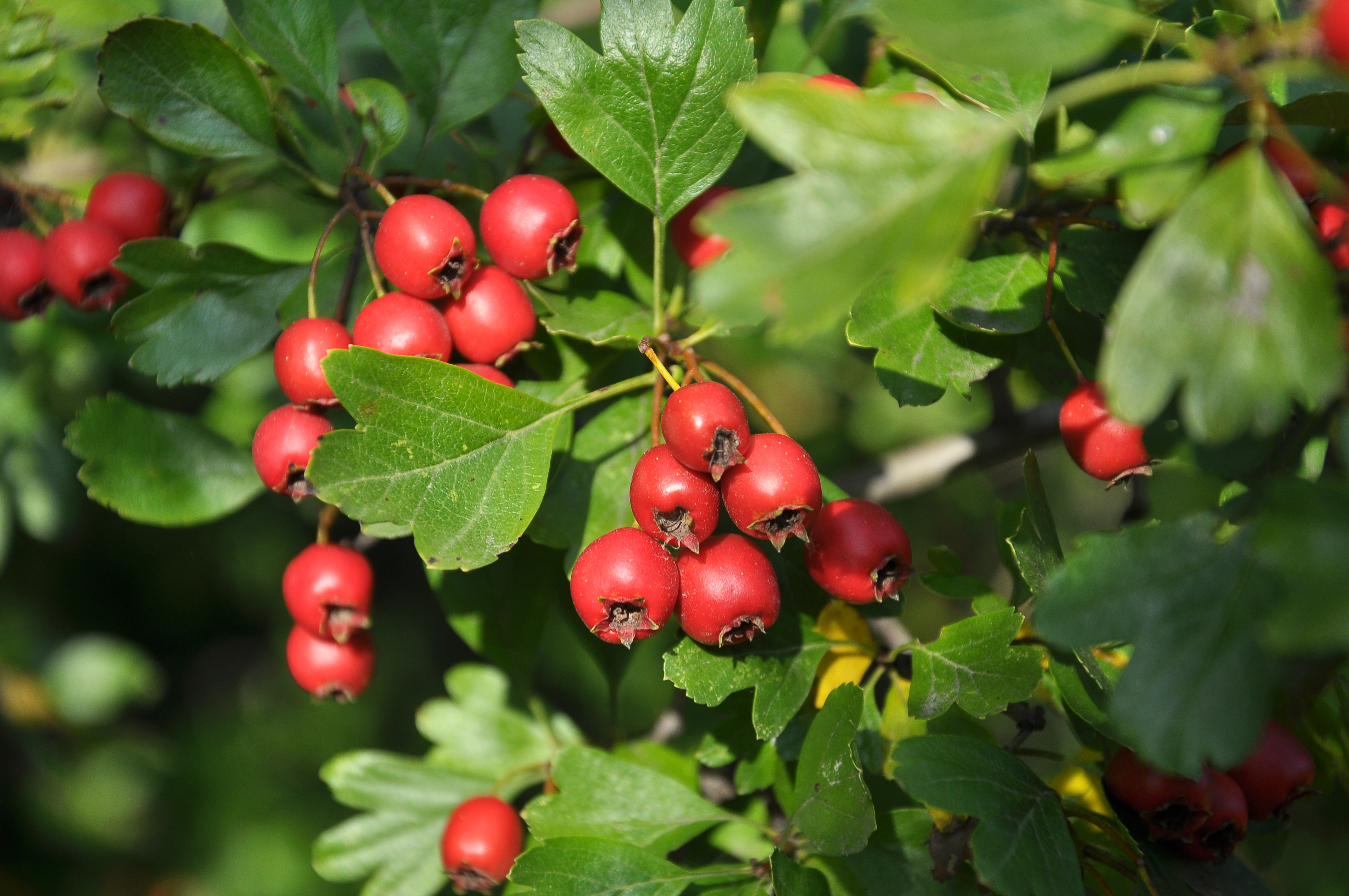
- Equine benefits: Leaves and young shoots are palatable and aid digestion. Rich in flavonoids and fibre, supporting circulation and gut health.
- Agroecological role: Strong hedgerow plant that stabilises soil and tolerates poor conditions. Its deep roots improve soil structure, reduce erosion, and contribute organic matter through leaf litter, supporting grassland recovery and productivity.
- Ecosystem value: Excellent for birds (nesting, berries for winter food) and pollinators. Provides connective routes for wildlife.
- Key notes: Thorns can injure horses (and people!) if unmanaged.
- Toxicity: Not known to be toxic to horses.
Blackthorn (Prunus spinosa)
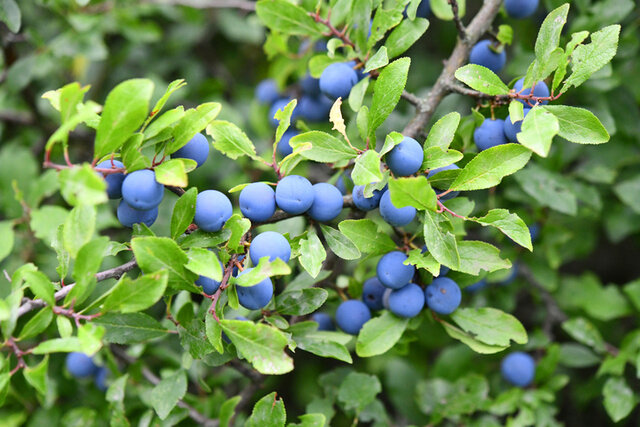
- Equine benefits: Not recommended for direct browse due to sharp thorns
- Agroecological role: Adds structural diversity to hedgerows and forms dense, protective boundaries. Provides shade and carbon storage.
- Ecosystem value: Supports insects and birds; sloes provide autumn fruit. Dense thickets offer nesting and roosting sites.
- Key notes: Sloes can be picked after the first frost to make sloe gin — just watch out for thorns.
- Toxicity: Not a preferred browse species for horse paddocks; thorny growth and potential plant toxicity mean it is better managed as a protected hedgerow.
Willow (Salix spp.)
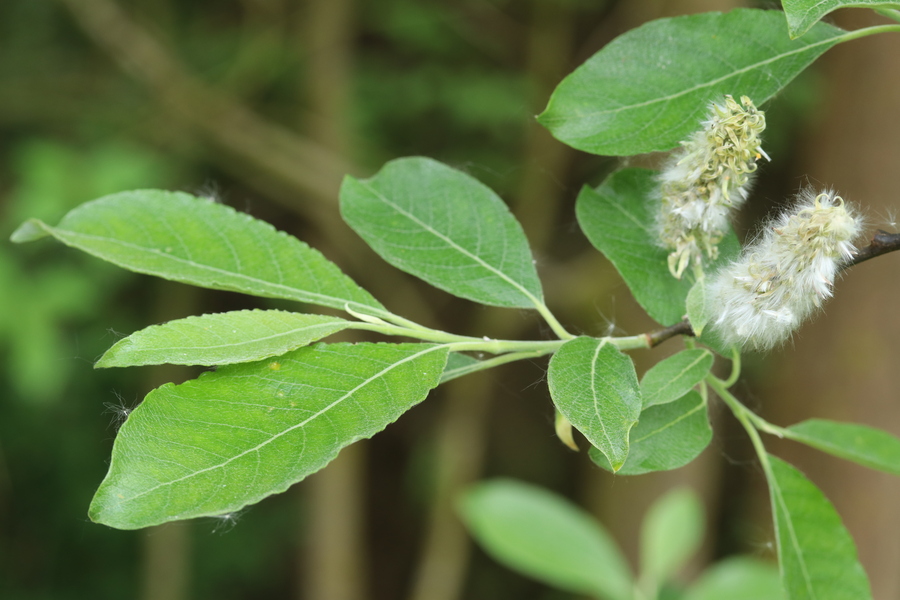
- Equine benefits: Highly palatable browse; bark contains salicin, a natural pain‑relief compound. Provides fibre and trace minerals; mild anti‑inflammatory properties. Can provide additional fibre and minerals as part of a diverse browsing environment. Agricology identifies willow as a useful tree-fodder species for livestock.
- Agroecological role: Thrives in wet soils, regulates water flow, stabilises riverbanks, and reduces erosion. Improves soil fertility and structure, supporting grassland recovery. Provides shade, improves air quality, and sequesters carbon.
- Ecosystem value: Habitat corridors for invertebrates, nesting birds, and roosting bats.
- Key notes: Fast‑growing, ideal for quick shelter and waterlogged areas. Underplanting with shrubs and herbs maximises biodiversity.
- Toxicity: Willow is listed as non-toxic to horses in established plant-safety references, but browse should still be offered as part of a varied diet rather than unrestricted access to large quantities.
Hazel (Corylus avellana)
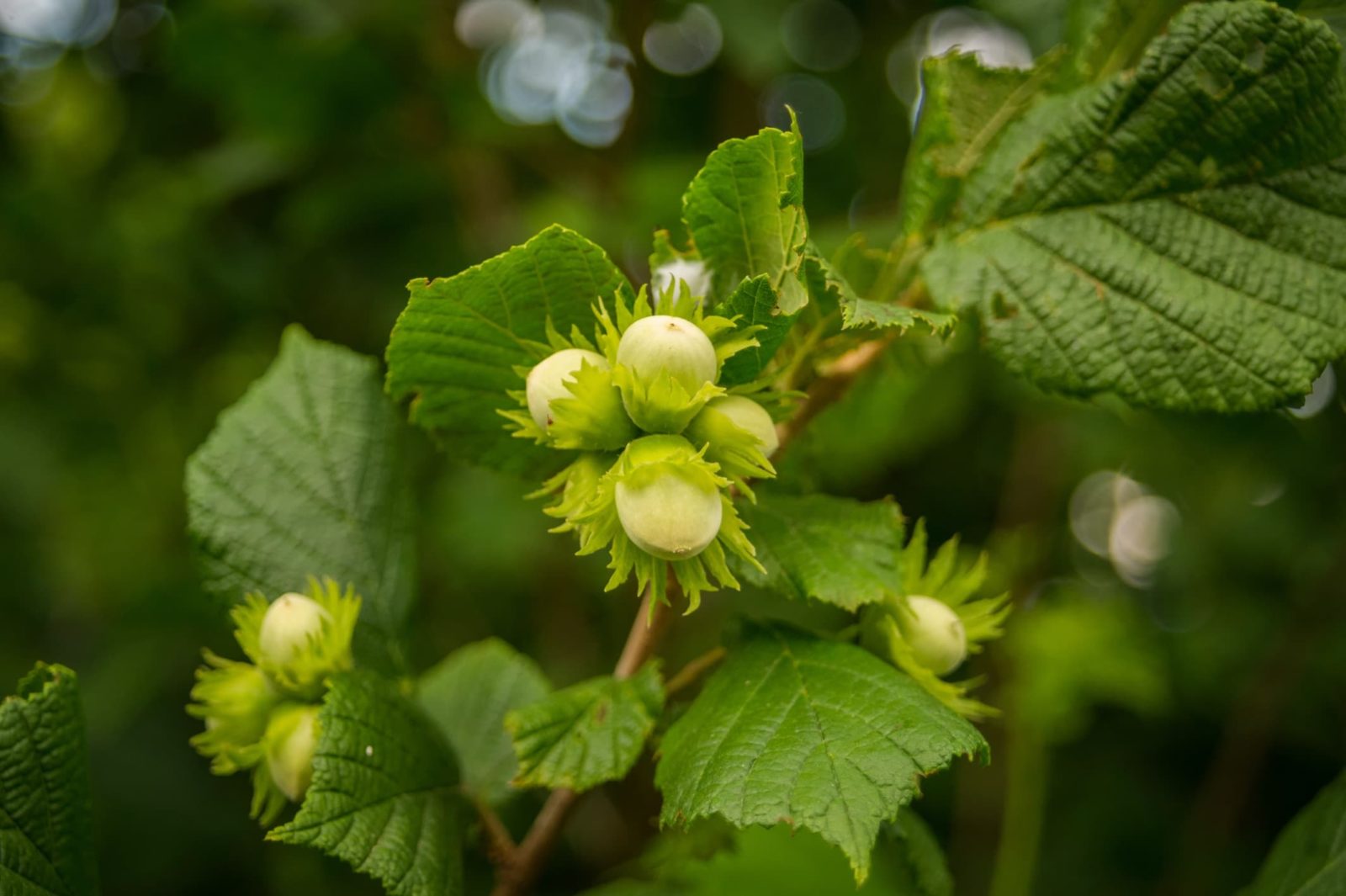
- Equine benefits: Safe browse; horses enjoy branches and leaves. Provides woody fibre supporting digestive health.
- Agroecological role: Coppice species that improves soil fertility and structure. Provides shade, carbon storage, and contributes organic matter.
- Ecosystem value: Supports dormice, insects, and birds. Catkins provide early pollen for bees.
- Key notes: Quick‑growing species traditionally managed through coppicing. Works well in hedgerows. Horses love it!
- Toxicity: Safe for horses.
Alder (Alnus glutinosa)
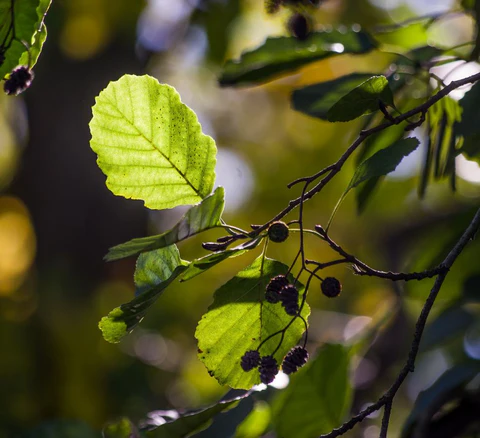
- Equine benefits: Limited browse, safe. Provides woody fibre; not a major nutrient source.
- Agroecological role: Nitrogen‑fixing species that enriches soil fertility. Thrives in wet soils, stabilises waterlogged ground, and improves conditions for grassland recovery. Provides shade, carbon storage, and improves air quality.
- Ecosystem value: Supports aquatic ecosystems, provides connective habitats for birds and insects.
- Key notes: Valuable in flood‑prone areas.
- Toxicity: Safe for horses.
Beech (Fagus sylvatica)
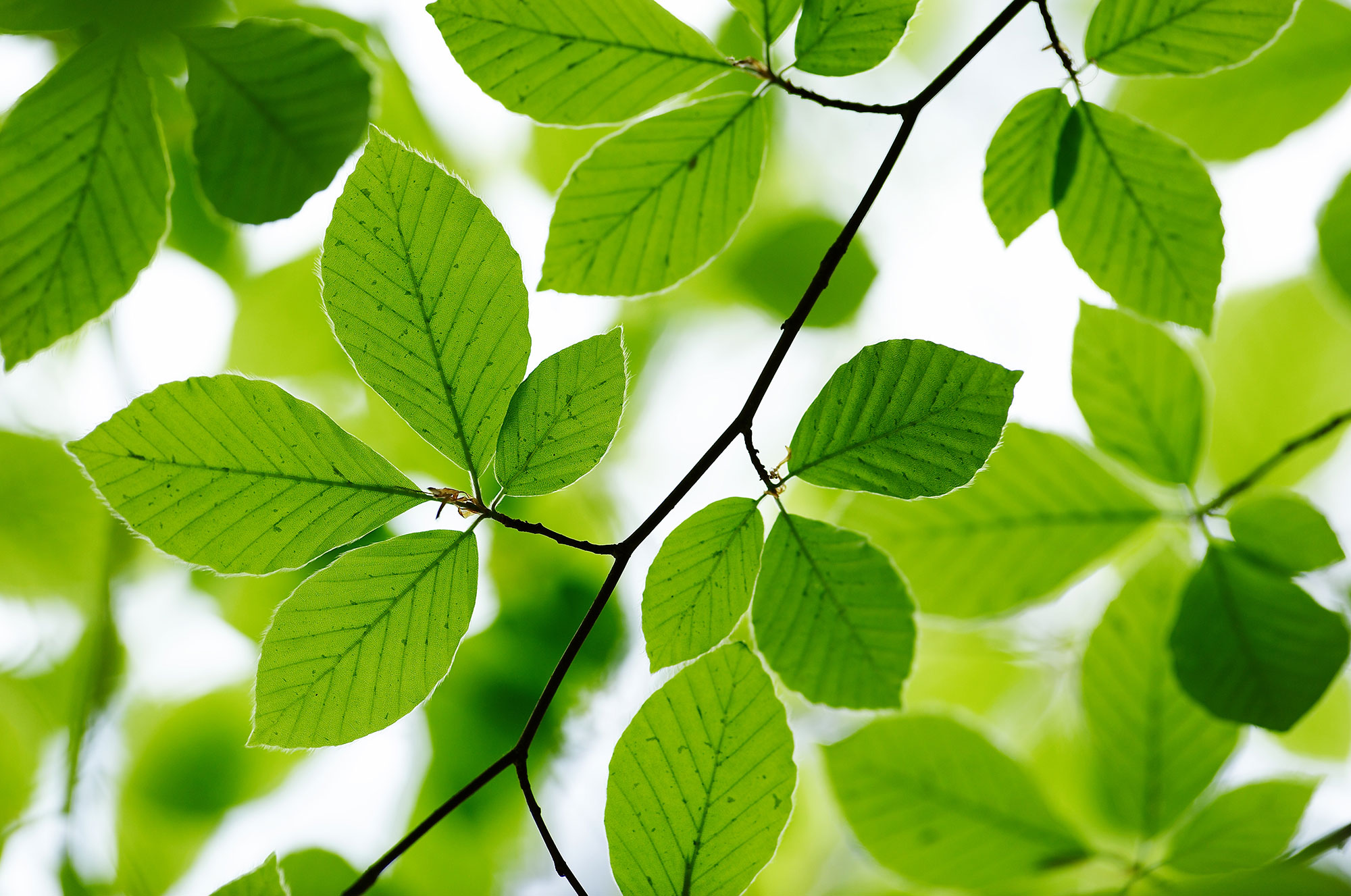
- Equine benefits: Leaves occasionally browsed. Beech nuts can be mildly toxic in large quantities; leaves provide fibre.
- Agroecological role: Long‑lived tree that stabilises soil, provides shade, and sequesters carbon. Dense canopy reduces wind exposure but can suppress ground flora.
- Ecosystem value: Supports fungi, invertebrates, and birds. Provides roosting sites for bats.
- Key notes: Beech woodlands often have little ground flora due to dense shade.
- Toxicity: Monitor nut fall. Only toxic in high quantities.
Hornbeam (Carpinus betulus)
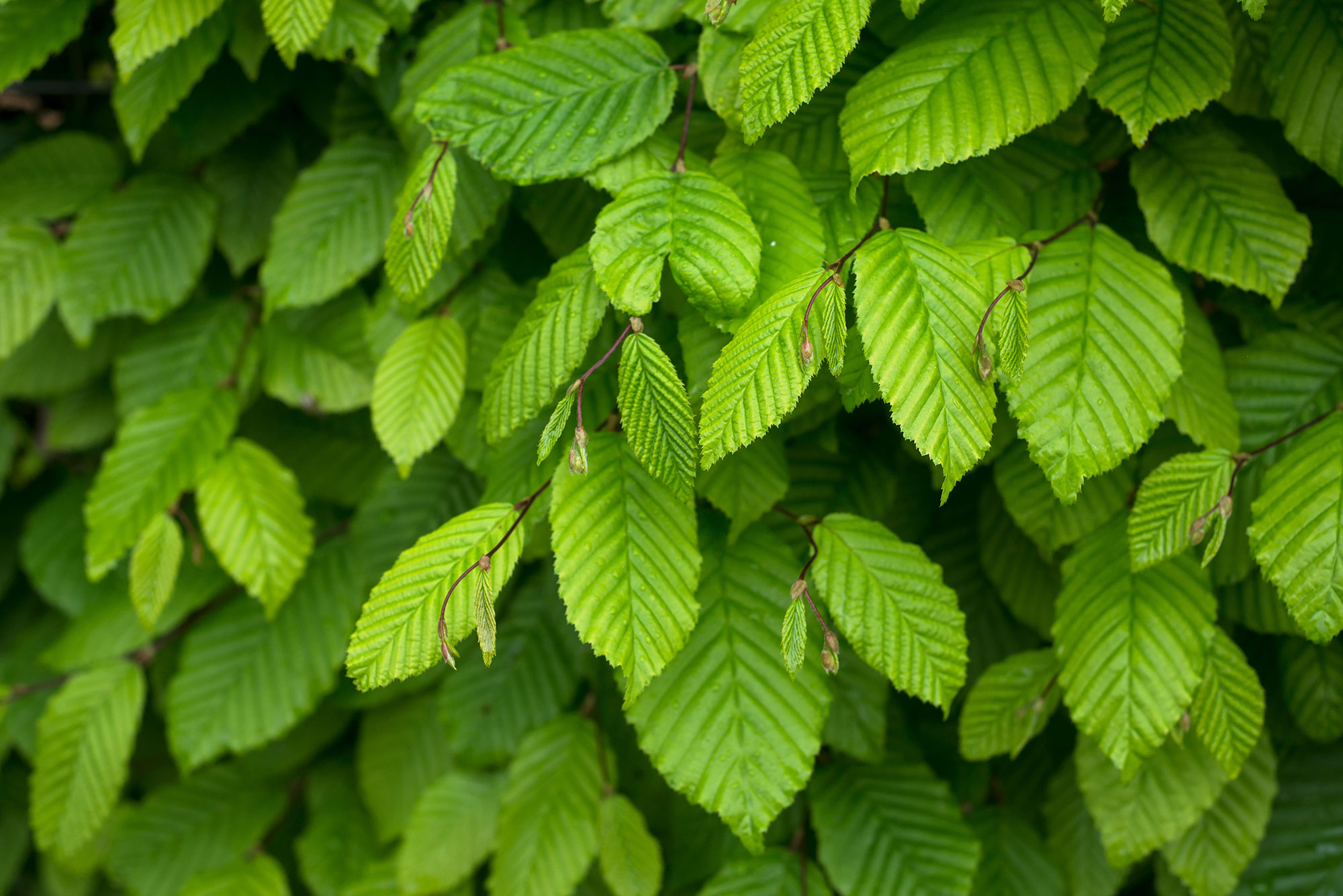
- Equine benefits: Safe browse, shelter. Provides woody fibre; not a major nutrient source.
- Agroecological role: Hardy species that tolerates poor soils, stabilises ground, and contributes organic matter. Provides shade, carbon storage, and improves air quality.
- Ecosystem value: Supports insects and birds.
- Key notes: Good alternative species to beech, with similar ecological functions but less shade impact.
- Toxicity: Safe.
Silver Birch (Betula pendula)
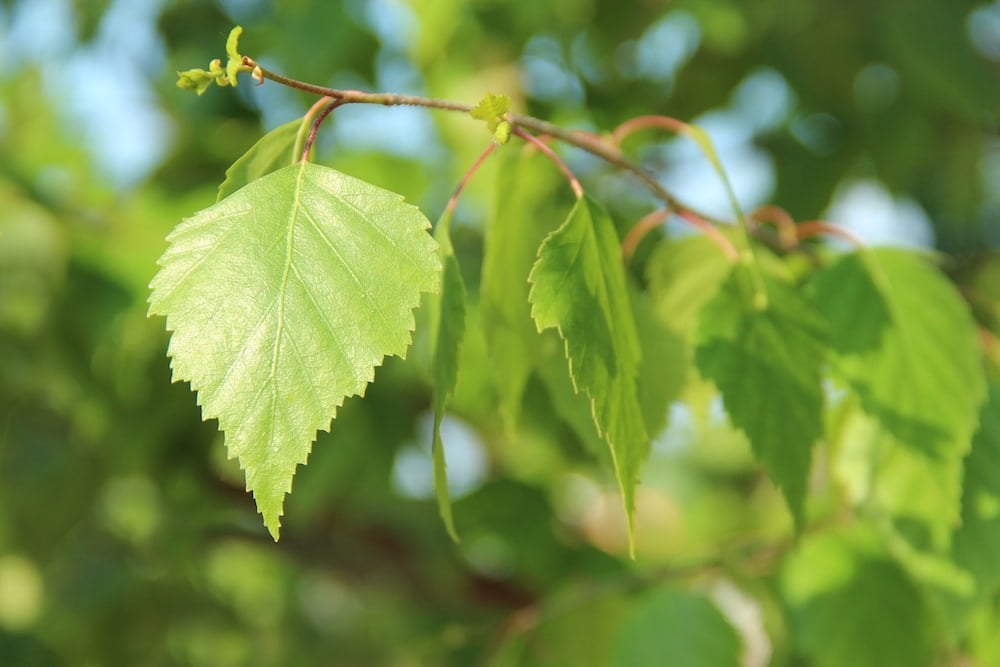
- Equine benefits: Leaves browsed occasionally; horses often self‑select birch leaves. Rich in flavonoids, tannins, potassium, and vitamin C; mild diuretic and anti‑inflammatory properties.
- Agroecological role: Pioneer species that improves soil fertility and structure. Provides shade, carbon storage, and contributes organic matter.
- Ecosystem value: Supports insects, fungi, and birds. Creates connective habitats.
- Key notes: Quick‑growing, useful for early habitat creation.
- Toxicity: Safe in moderation.
Sea Buckthorn (Hippophae rhamnoides)
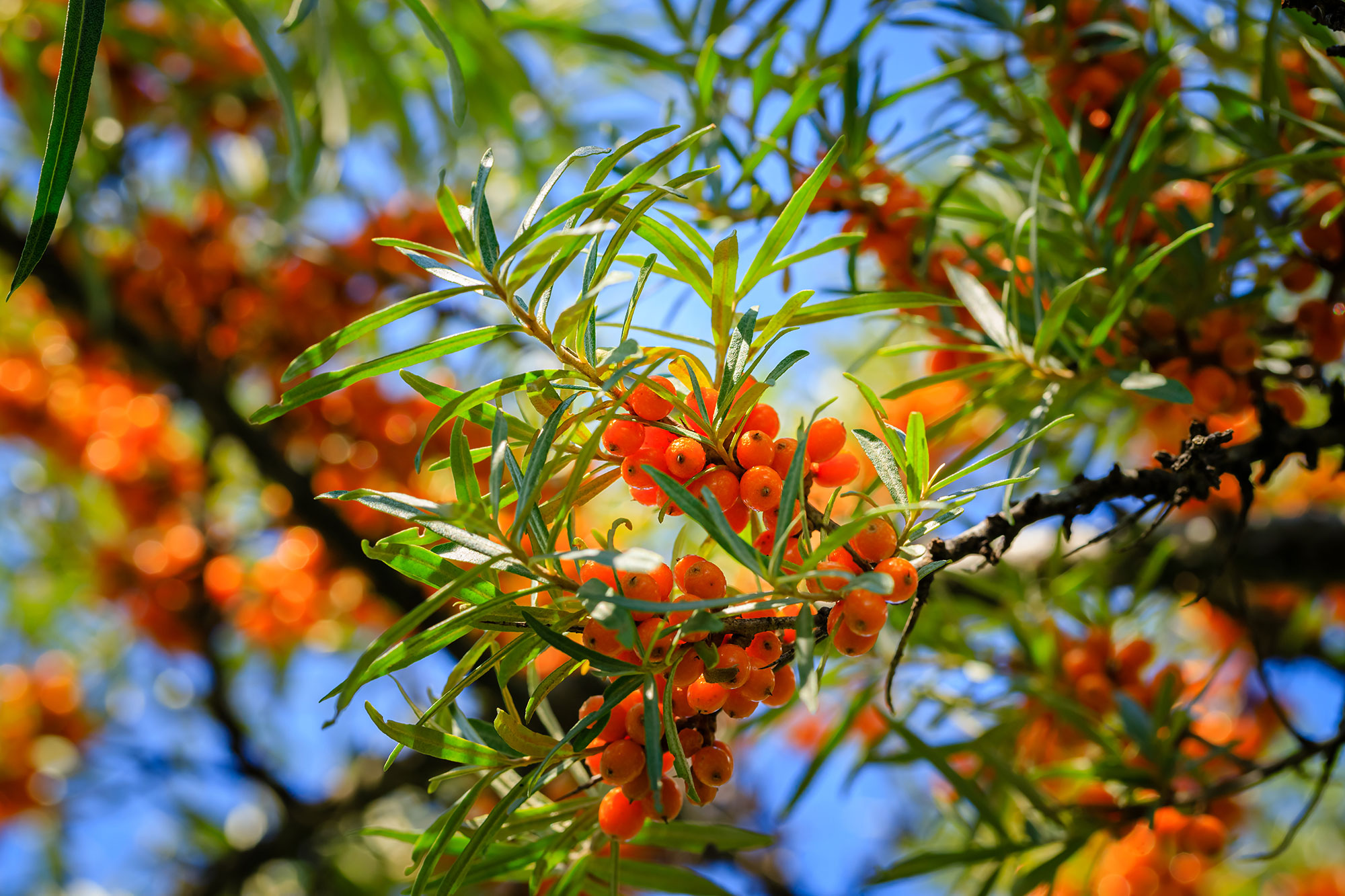
- Equine benefits: Berries are highly nutritious; linked to improved coat and vitality. Extremely rich in vitamin C, omega oils (including omega‑7), antioxidants, and carotenoids.
- Agroecological role: olerates sandy soils, stabilises dunes, and improves soil fertility. Provides shade, carbon storage, and contributes organic matter.
- Ecosystem value: Supports birds and insects; berries provide winter food. Dense thickets offer nesting sites
- Key notes: Hardy shrub, useful in exposed sites. Underplanting with herbs enhances biodiversity.
- Toxicity: Safe, but thorns hazardous.
Elder (Sambucus nigra)
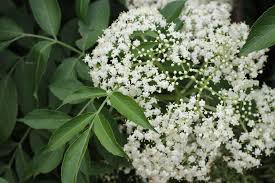
- Equine benefits: Elder can provide habitat and browse opportunities, but it should not be deliberately fed. Leaves and other plant parts can be problematic if eaten, and raw berries are not something to offer as horse feed.
- Agroecological role: Fast‑growing gap‑filler that improves soil fertility through leaf litter. Provides shade, carbon storage, and improves air quality.
- Ecosystem value: Supports insects, birds, fungi.
- Key notes: Useful gap‑filler in hedgerows, but manage carefully.
- Toxicity: Avoid equine access to leaves/bark.
Walnut (Juglans regia)
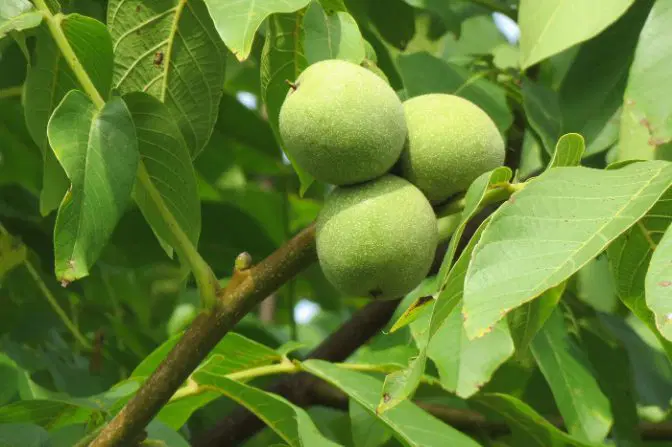
- Equine benefits: Not browsed directly by horses, but improves soil nutrient balance, indirectly supporting pasture quality.
- Agroecological role: Deep‑rooted tree that draws up minerals and redistributes nutrients to the surface. Enhances soil fertility and supports grassland recovery, helping maintain productivity even where land is partly wooded. Provides shade, carbon storage, and improves air quality.
- Ecosystem value: Provides roosting cavities for bats and birds. High‑value timber species.
- Key notes: Slower‑growing but long‑lived. Works well in mixed planting schemes.
- Toxicity: Although English walnut is an important timber and nut tree, walnut species warrant caution around horses because walnut material (usually black walnut) has been associated with equine toxicity. It is therefore not a species I would recommend planting where horses can freely browse it.
🚫 Species to Avoid
- Sycamore (Acer pseudoplatanus) — seeds cause atypical myopathy, often fatal. Best avoided.
- Yew (Taxus baccata) — highly toxic. Small amounts can be fatal.
- Oak (Quercus robur) — contains high tannins, especially in acorns. Small amounts may have anthelmintic properties, but large quantities can cause liver damage. Toxicity varies between individuals, so not favoured for equine land.
- Ash (Fraxinus excelsior) — not toxic, but prone to ash dieback in the UK. Not recommended for planting.
Conclusion
This list of species is not exhaustive, and it is always advised to consider your local conditions before choosing tree species to plant and to seek species of local provenance. Planting trees and hedgerows on equestrian land should not be seen as a loss of grazing or hay production — in fact, the opposite is often true. By improving soil fertility, water regulation, air quality, and carbon storage, trees actively support grassland recovery and productivity, making pastures more resilient in the long term.
A thoughtful mix of quick‑growing species (such as willow, alder, birch) with slower‑growing, long‑lived trees (hornbeam, beech, walnut) creates structural diversity and resilience. These trees provide shade and shelter for horses, improve nutrient cycling, and create connective routes for wildlife, offering nesting and roosting sites for birds and bats.
To maximise ecological value, consider underplanting with shrubs and herb layers — such as dogwood, guelder rose, wild mint, or meadow sweet — to create a multi‑tiered habitat. This layered approach enhances biodiversity, stabilises soils, and provides additional forage and enrichment opportunities.
By integrating trees into equestrian land management, you are not only improving horse welfare but also contributing to environmental recovery, biodiversity enhancement, and sustainable land stewardship.