
If you saw us at the Horsemanship Showcase, you may have picked up a packet of free seed from our stand. This blog explains what’s in that mix, and why we’ve chosen each species.
Our aim is simple: to restore biodiversity, support equine wellbeing, and reconnect grazing pastures with the resilience of traditional meadows. Most equine pasture mixes currently available are cultivated varieties bred for uniformity. While they establish quickly, they cannot adapt to your environment because they’ve lost the ability to reproduce naturally. This limits their resilience and often results in pastures dominated by high‑sugar grasses — increasing laminitis risk and reducing biodiversity.
In contrast, we have chosen the Emorsgate EM1 General Meadow Mix, a conservation‑grade blend designed to support the creation of traditional meadows in a variety of settings. Unlike many cultivated equine mixtures, EM1 seed is sourced from wild specimens, meaning plants retain the ability to sexually reproduce and adapt to local soils, climate, and grazing pressures. This adaptive capacity is critical for long‑term resilience in horse pastures, where soil, climate, and grazing pressures vary widely (Soil Association, 2025; Pasture for Life, 2025; Emorsgate Seeds, 2025; Derbyshire Wildlife Trust, 2022).
Your seed packet is approximately 5g, sufficient to sow 1m². Use this mix to establish species, then allow them to spread seed each year to gradually transform your pasture. Horses benefit from this diversity because it broadens the nutrient and fibre profile of the sward, supporting gut health and reducing reliance on high‑sugar grasses (2025; Ermers et al., 2023). Diverse swards also support hindgut microbial balance, reducing reliance on high‑sugar grasses and concentrates (Ermers et al., 2023).
The information below gives you a detailed guide to what is in the mix, their ecological and equine benefits.
Wildflowers
Betony (Betonica officinalis) – 1.0%
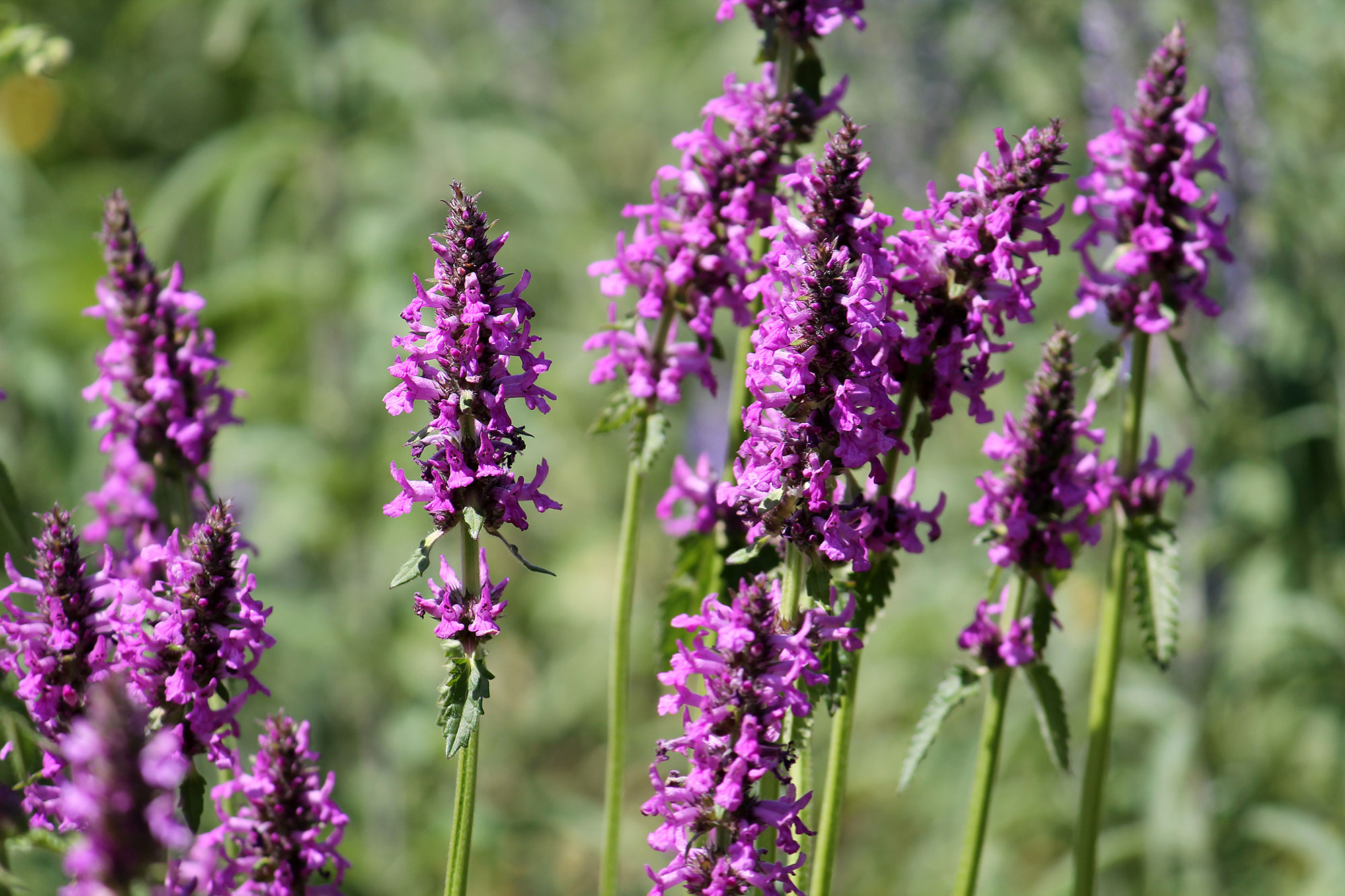
- Equine benefits: Traditionally recognised for nervine properties, betony contributes phytochemicals that may support relaxation and wellbeing. While equine‑specific trials are limited, its inclusion broadens the phytochemical diversity of forage, which is linked to improved hindgut microbial balance (Groves and Lesueur, 2021).
- Agroecological role: Adds perennial diversity to meadow swards, helping stabilise plant communities and reduce dominance of aggressive grasses (Soil Association, 2025).
- Ecosystem value: Nectar source for bees and butterflies, extending flowering season in mixed pastures (Plantlife, 2025).
- Key notes: Easily confused with hedge woundwort (Stachys sylvatica), which has a pungent smell and less palatable foliage.
- Toxicity: Considered non-toxic to horses
Common Knapweed (Centaurea nigra) – 1.5%
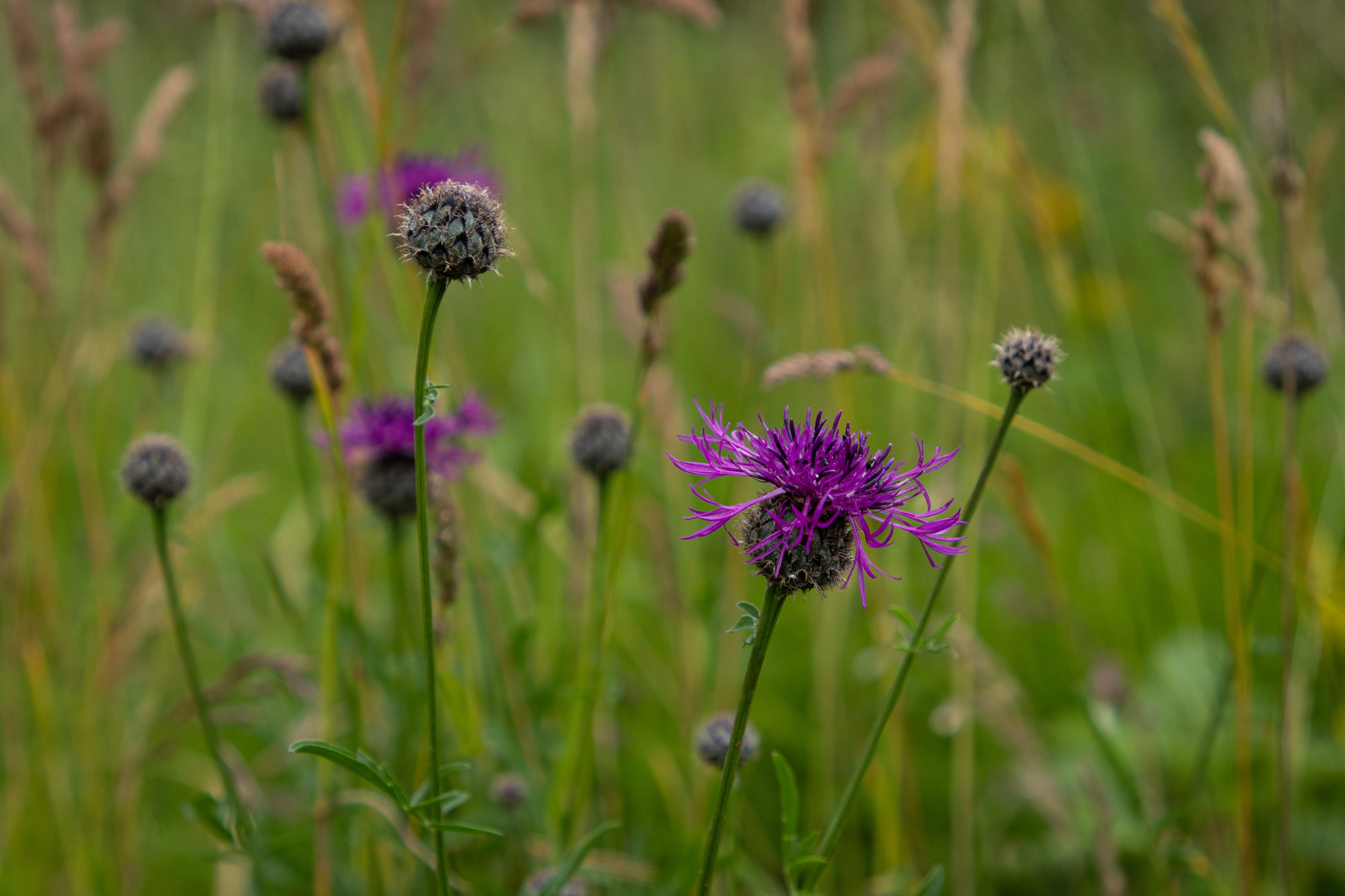
- Equine benefits: Palatable forage with amino acids and polyphenols; contributes protein diversity and supports antioxidant intake. Horses grazing knapweed benefit from variety in amino acid profiles, which is important for muscle maintenance and recovery (Elgersma et al., 2012).
- Agroecological role: Deep root system improves soil structure and resilience, particularly in compacted or low‑fertility soils (Integrity Soils, 2024).
- Ecosystem value: Ranked among the UK’s top nectar plants, supporting bees, butterflies, and seed‑feeding birds (Plantlife, 2025).
- Key notes: Easily confused with greater knapweed (Centaurea scabiosa), which has larger flower heads.
- Toxicity: Considered non-toxic to horses
Wild Carrot (Daucus carota) – 1.0%
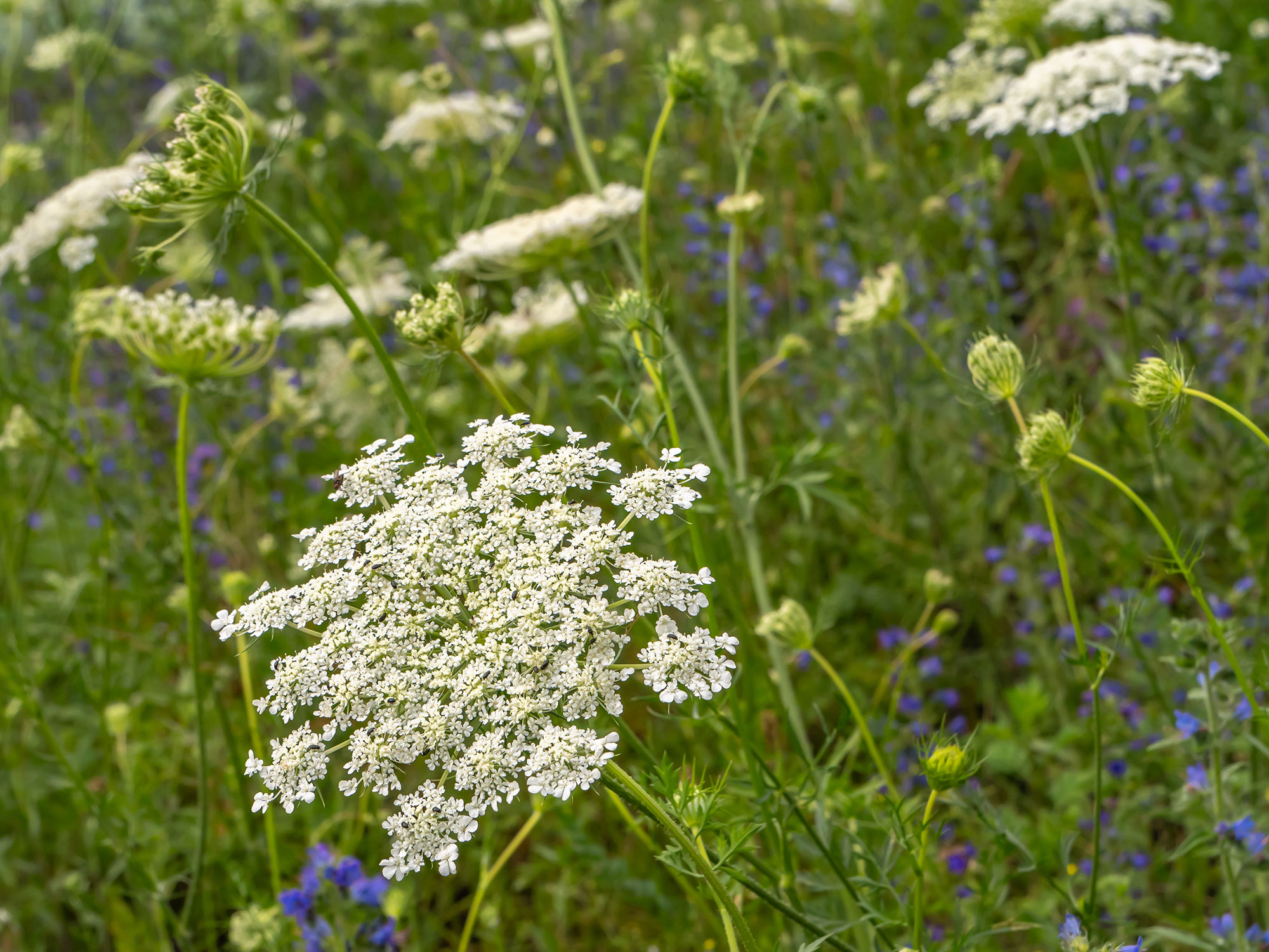
- Equine benefits: Provides fibre, vitamins A and C, and minerals. Horses grazing diverse swards with wild carrot show improved antioxidant status compared to monoculture grass diets (Ermers et al., 2023).
- Agroecological role: Taproot penetrates compacted layers, improving aeration and water infiltration, which benefits overall sward resilience (Soil Association, 2025).
- Ecosystem value: Umbel flowers attract parasitic wasps and hoverflies, reducing fly burdens in grazing systems (Wildlife Trusts, 2025).
- Key notes: Easily confused with hemlock (Conium maculatum), which is toxic. Wild carrot has hairy stems and a single dark floret; hemlock has smooth, purple‑blotched stems.
- Toxicity: Considered non-toxic to horses
Oxeye Daisy (Leucanthemum vulgare) – 1.0%
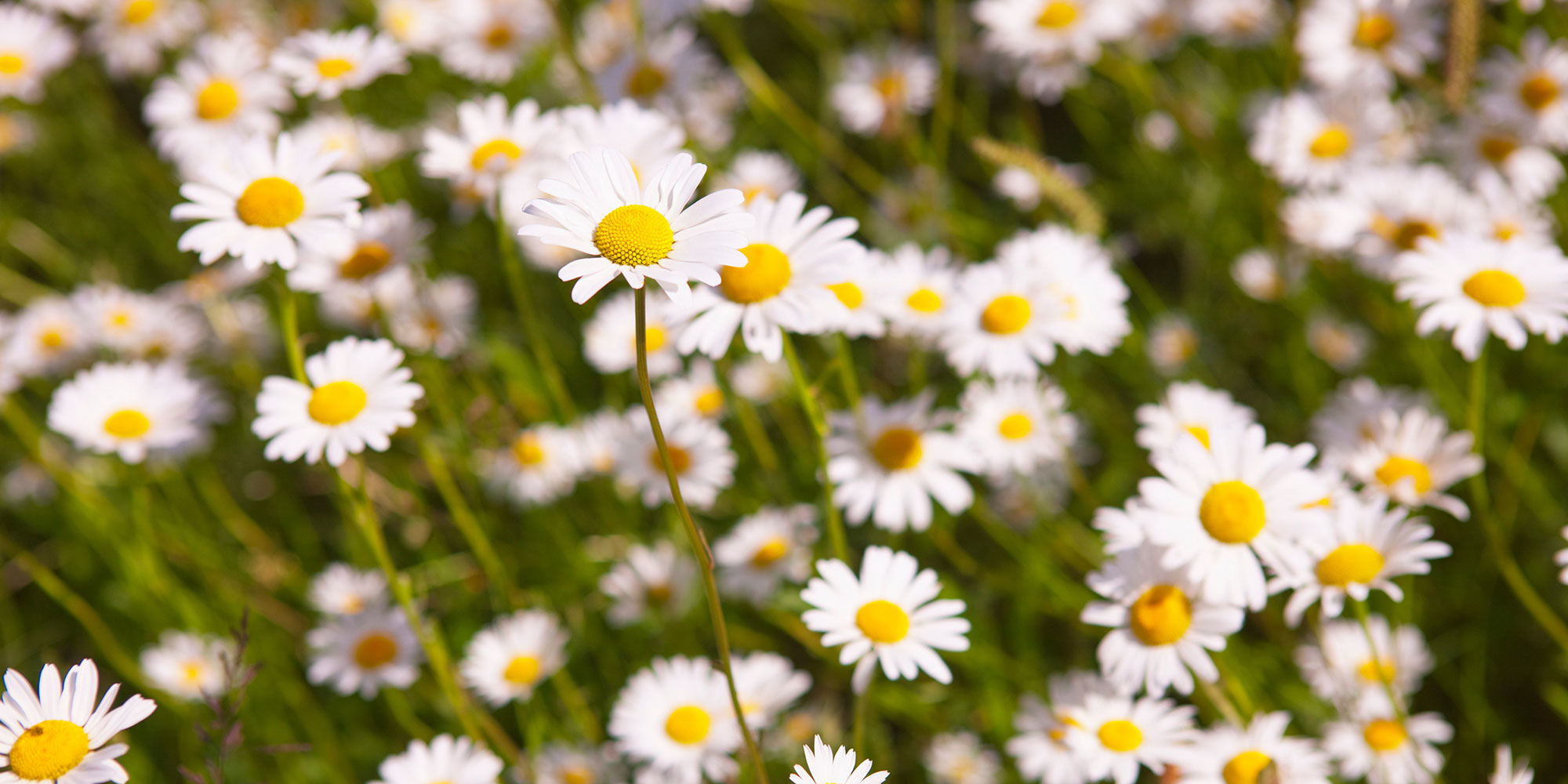
- Equine benefits: Traditionally used as a gentle digestive aid; contributes palatability and botanical variety, which supports hindgut fermentation balance (Bone & Mills, 2013).
- Agroecological role: Contributes to meadow stability, tolerating a range of soils and maintaining cover in mixed swards (DEFRA, 2023).
- Ecosystem value: Reliable nectar source for generalist pollinators, extending forage availability across the season (Plantlife, 2025).
- Key notes: Easily confused with scentless mayweed (Tripleurospermum inodorum), which lacks the oxeye’s smell and broader leaves.
- Toxicity: Safe in mixed pasture. Rarely eaten in bulk due to bitter taste; no evidence of harm.
Ribwort Plantain (Plantago lanceolata) – 1.5%
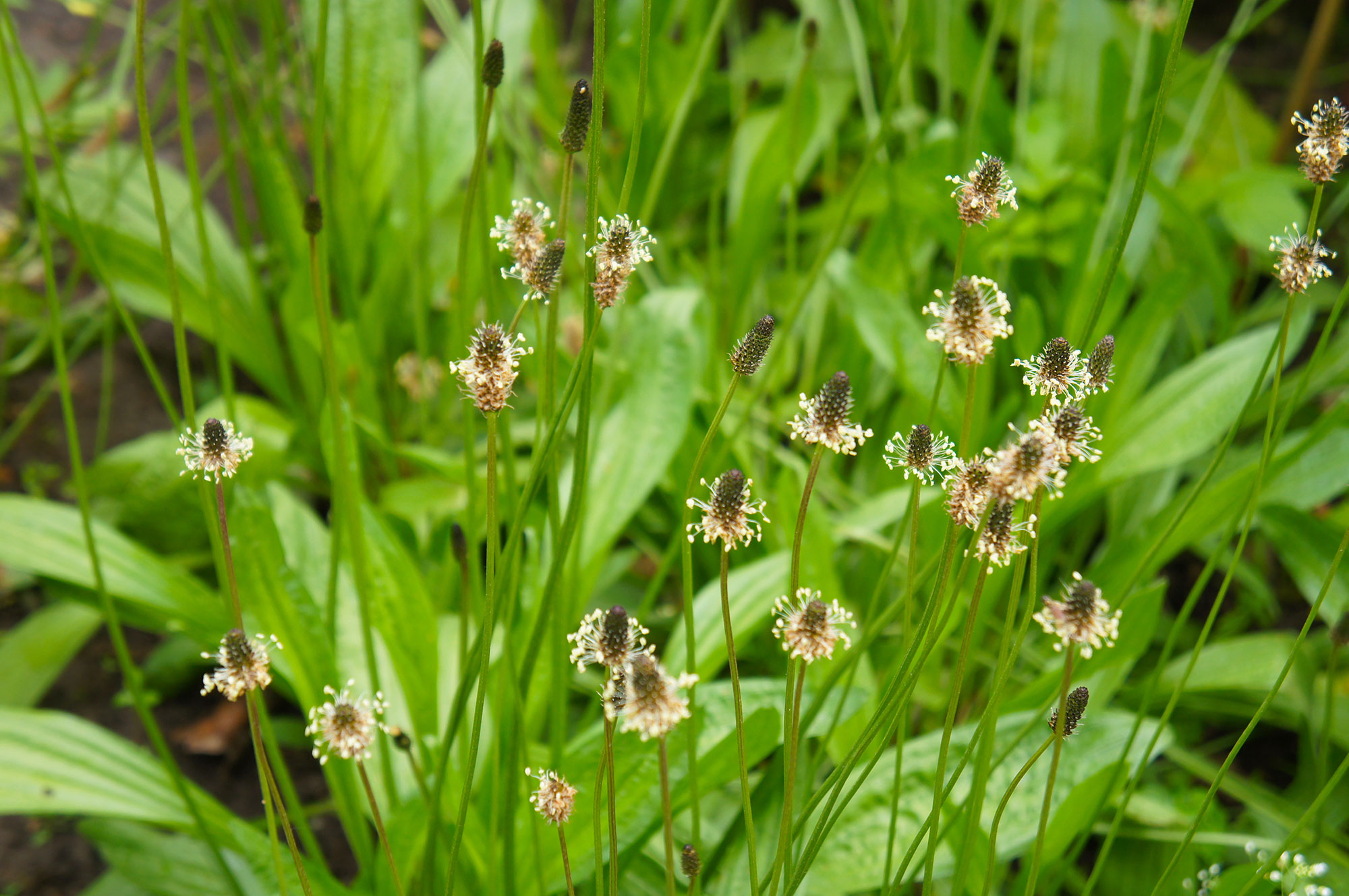
- Equine benefits: Ribwort plantain is rich in mucilage and bioactive compounds that support gut lining integrity and respiratory health (Pavlović et al., 2010; Hoste et al., 2012). Its inclusion in diverse swards contributes to microbial balance and resilience.
- Agroecological role: Strong fibrous roots improve soil aeration and reduce compaction, supporting soil microbial activity (Integrity Soils, 2024).
- Ecosystem value: Long flowering season; seed heads provide winter food for finches and other seed‑eating birds (Wildlife Trusts, 2025).
- Key notes: Easily confused with greater plantain (Plantago major), which has broader leaves and a prostrate habit.
- Toxicity: Considered non-toxic to horses
Salad Burnet (Poterium sanguisorba) – 0.8%
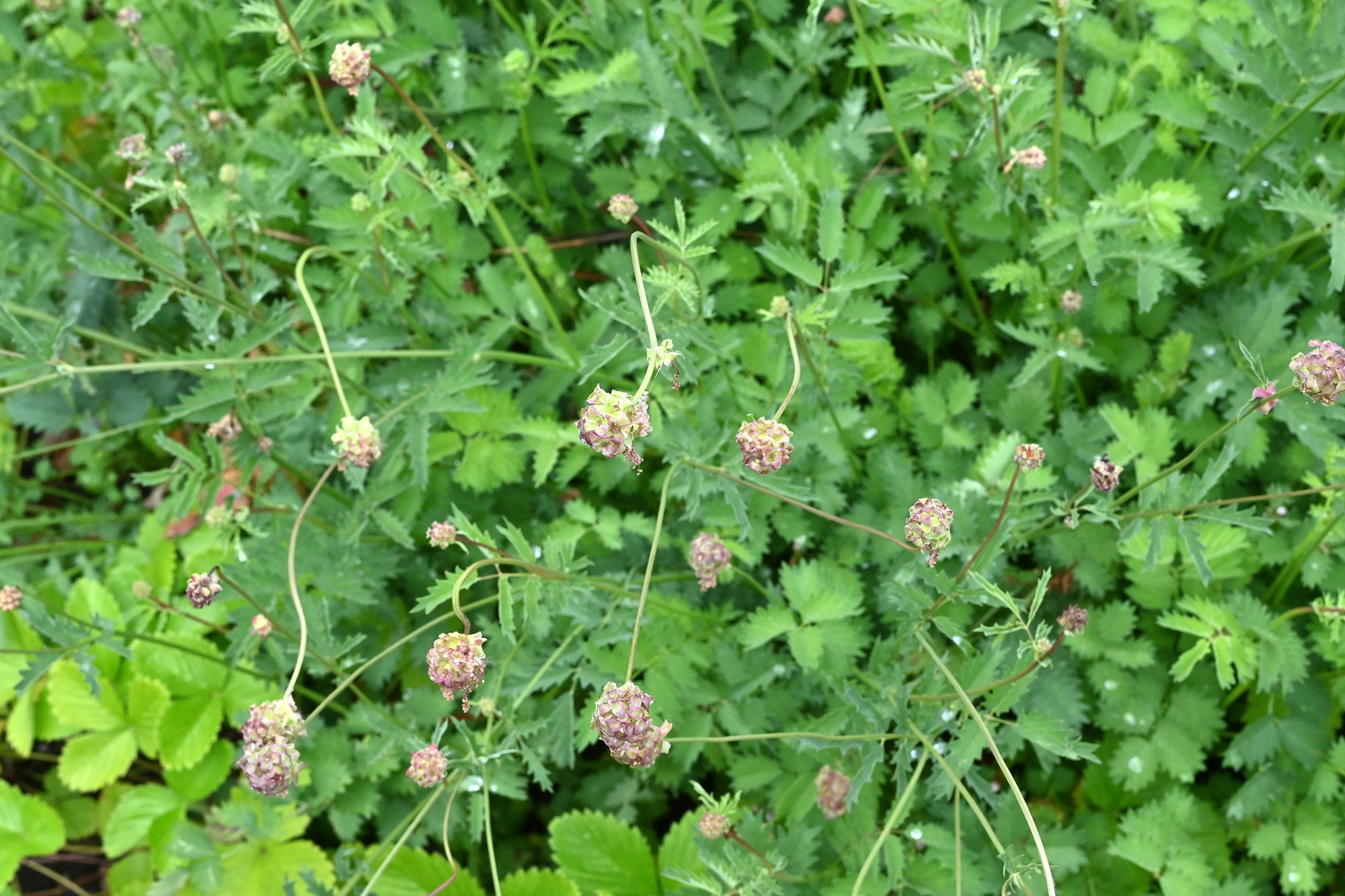
- Equine benefits: High in potassium and magnesium; contributes to mineral balance in forage. Magnesium is particularly important for nerve and muscle health in horses (Pinotti et al., 2021).
- Agroecological role: Drought‑tolerant forb stabilising thin soils, maintaining cover in low‑fertility conditions (Soil Association, 2025).
- Ecosystem value: Extended flowering attracts hoverflies and other beneficial insects (Plantlife, 2025).
- Key notes: Leaves smell of cucumber when crushed — a distinctive identification feature.
- Toxicity: Considered non-toxic to horses
Selfheal (Prunella vulgaris) – 1.5%
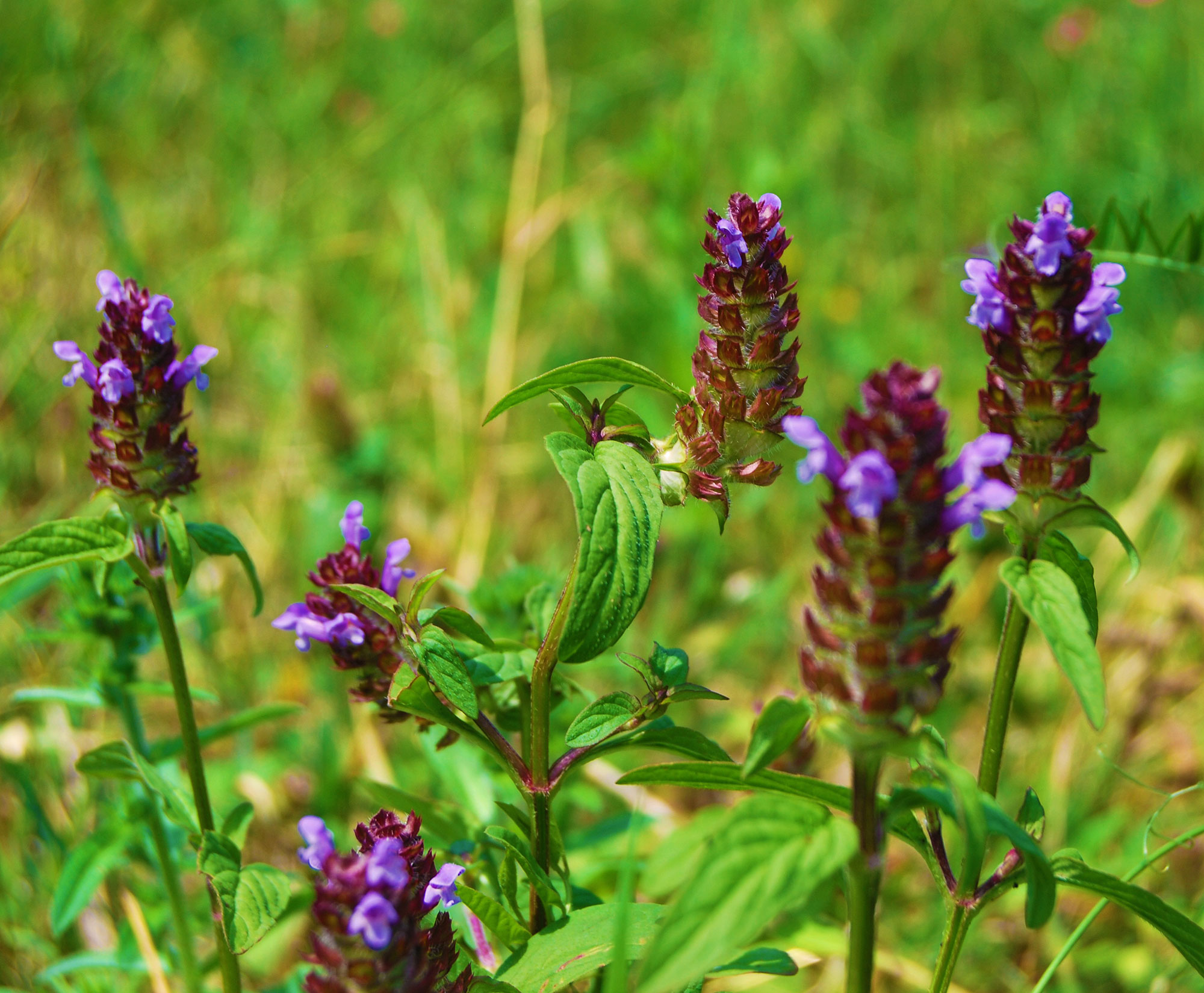
- Equine benefits: Rich in antioxidants and polyphenols; supports immune function and gut microbial balance. Antioxidant intake from diverse forage has been shown to improve oxidative stress markers in horses (Gul et al., 2011; Ermers et al., 2023).
- Agroecological role: Mat‑forming growth stabilises soil, reducing erosion in open patches (Integrity Soils, 2024).
- Ecosystem value: Nectar source for bees and wasps, extending forage availability across early and late seasons (Wildlife Trusts, 2025).
- Key notes: Easily confused with bugle (Ajuga reptans), which has blue flowers but different leaf arrangement.
- Toxicity: Considered non-toxic to horses
Meadow Buttercup (Ranunculus acris) – 1.0%
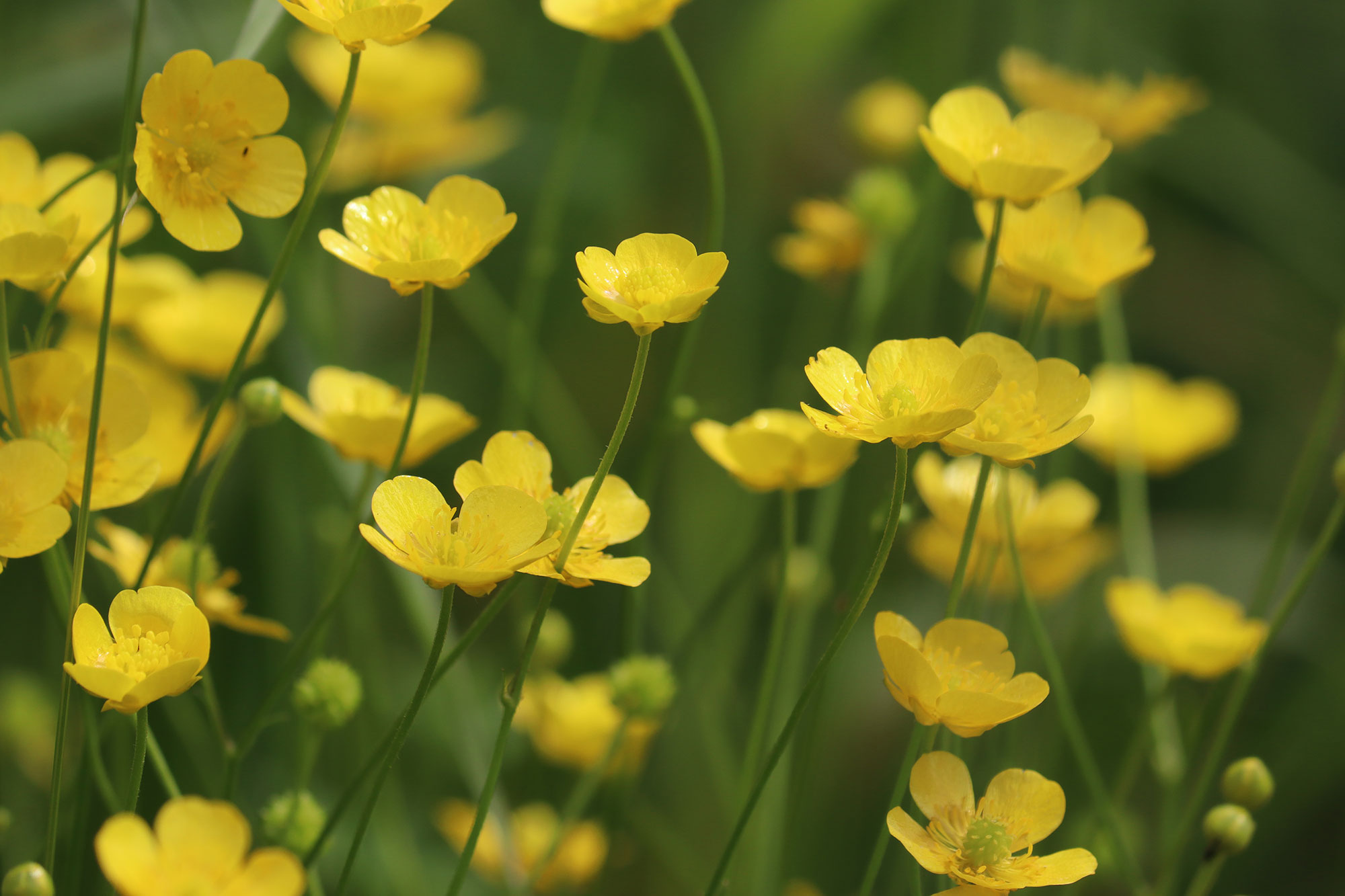
- Equine benefits: Contains protoanemonin; toxic if grazed fresh in high quantities, causing blistering and digestive upset. Horses usually avoid it, and it is safe once dried in hay (CIEEM, 2019; Mad Barn, 2024).
- Agroecological role: Adds floral diversity; presence indicates unimproved meadow conditions (DEFRA, 2023).
- Ecosystem value: Supports pollinators and contributes to meadow resilience (Plantlife, 2025).
- Key notes: Easily confused with bulbous buttercup (Ranunculus bulbosus), which has a swollen bulbous rootstock. Can become invasive in poorly managed pastures, especially on damp, compacted ground. Early dominance is common but usually declines as sward diversity increases.
- Toxicity: Potentially toxic if grazed fresh in bulk. Contains protoanemonin, a blistering agent released when plant tissues are crushed. In horses, ingestion of fresh buttercup in large quantities can cause oral irritation (blisters in the mouth), excessive salivation, colic, and diarrhoea. The acrid taste usually deters horses, so poisoning is rare unless grazing is severely restricted and buttercups dominate. Importantly, protoanemonin is destroyed during drying, so buttercups in hay are safe (CIEEM, 2019; Mad Barn, 2024).
Yellow Rattle (Rhinanthus minor) – 0.2%
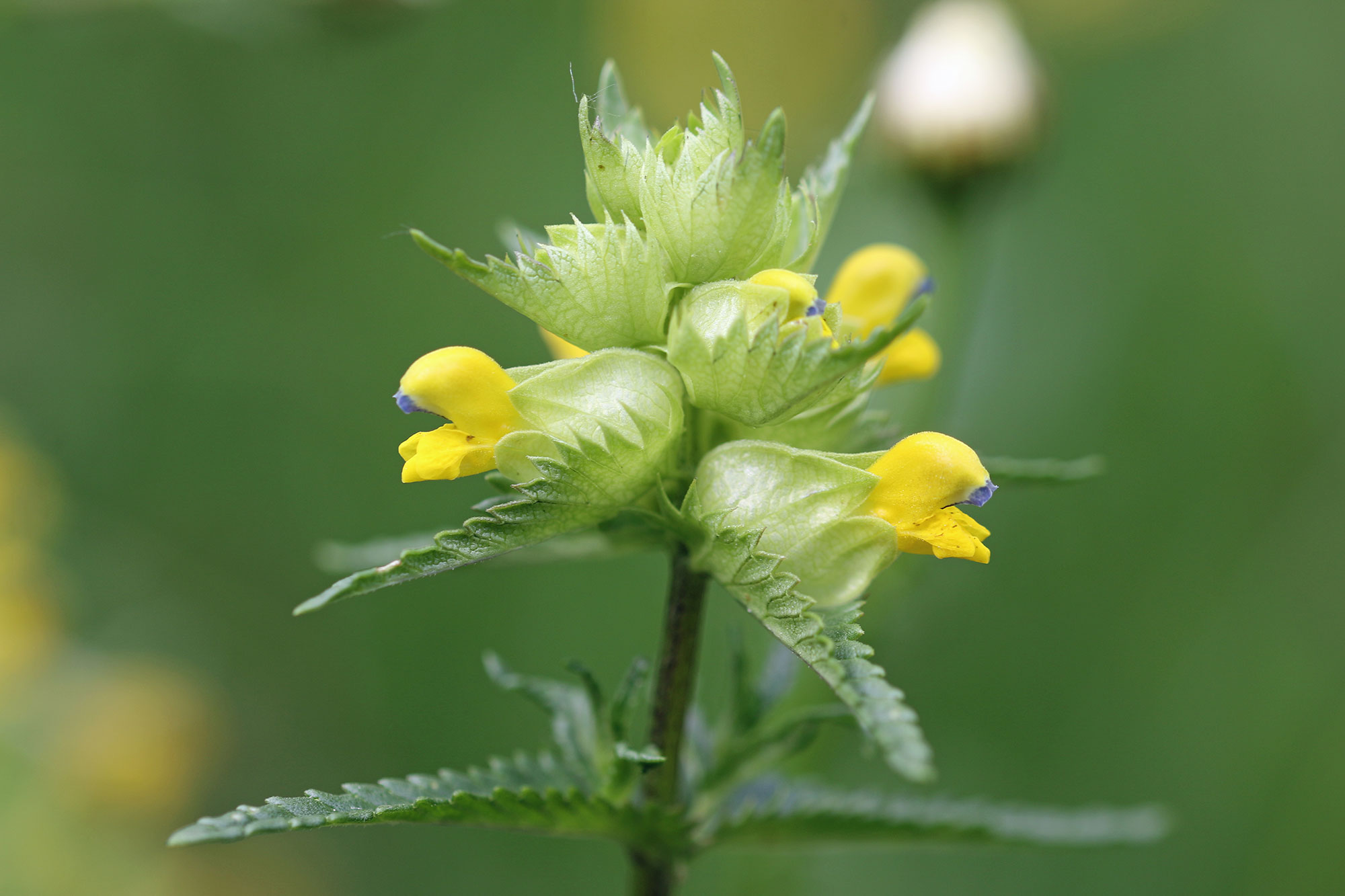
- Equine benefits: Yellow Rattle is a hemiparasitic species that reduces grass vigour, opening space for diverse forage and lowering reliance on high‑sugar grasses (Caring for God’s Acre, 2024; Meadowmania, 2024)
- Agroecological role: Hemiparasitic species essential for establishing species‑rich meadows; opens dense swards and promotes forb establishment (Natural England, 2010).
- Ecosystem value: Boosts wildflower establishment and insect diversity, supporting pollinators across the season (Wildlife Trusts, 2025).
- Key notes: Easily confused with eyebright (Euphrasia spp.), another hemiparasite, but yellow rattle has distinctive rattling seed pods. Can appear aggressive in the first year, heavily suppressing grasses. This is part of its ecological role — it opens space for wildflowers. Over time, its abundance stabilises.
- Toxicity: Deterrent compounds, no equine toxicity evidence. Contains iridoid glycosides, bitter compounds that deter grazing. There are tales of toxicity in livestock, but no published evidence of equine poisoning. Horses rarely eat it due to its taste. At typical meadow densities, it poses minimal risk.
Red Campion (Silene dioica) – 0.5%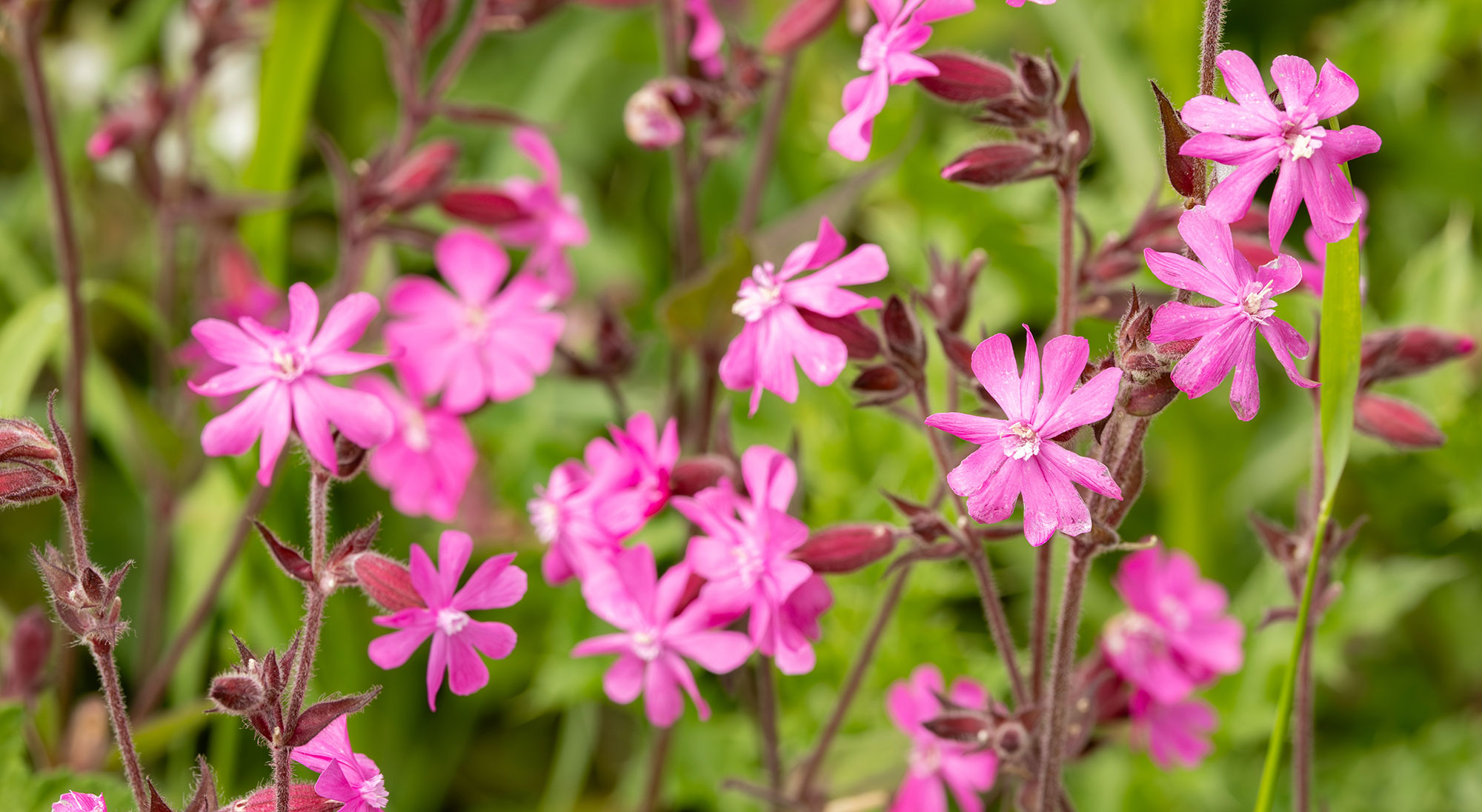
- Equine benefits: Contains saponins; bitter‑tasting, rarely eaten by horses, with no evidence of equine toxicity (ASPCA, 2025).
- Agroecological role: Adds biodiversity without grazing pressure; supports moths and nocturnal pollinators (Integrity Soils, 2024).
- Ecosystem value: Extends flowering season for nocturnal pollinators (Wildlife Trusts, 2025).
- Key notes: Easily confused with white campion (Silene latifolia), which has pale flowers.
- Toxicity: Potentially toxic if grazed fresh in bulk. Contains saponins, bitter‑tasting compounds common in the Caryophyllaceae family. In some species, saponins can cause mild digestive upset if eaten in large amounts, but horses rarely consume campion due to its taste. There is no evidence of equine toxicity at typical meadow densities (ASPCA, 2025).
Grasses
Common Bent (Agrostis capillaris) – 9.0%
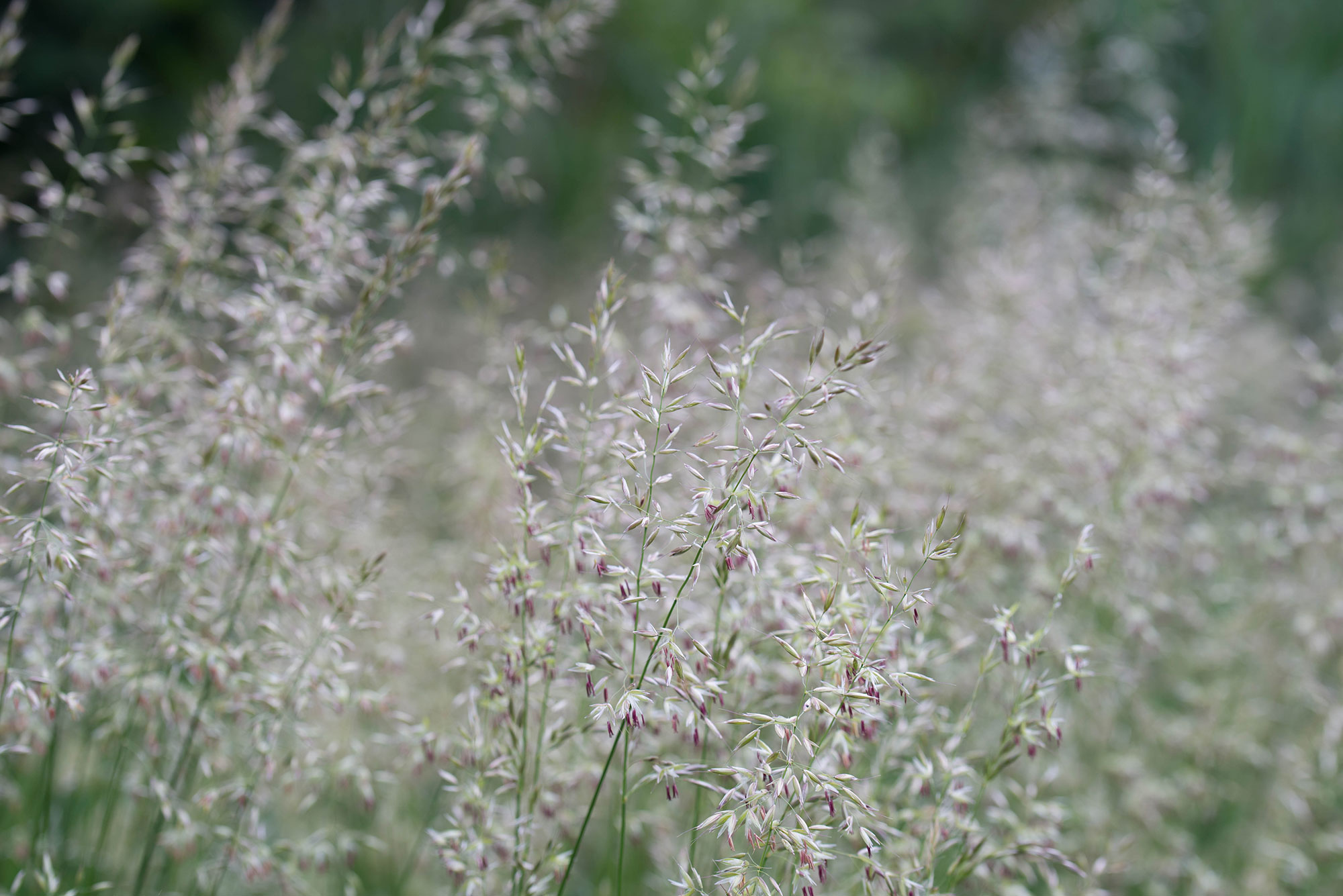
- Equine benefits: Fine‑leaved, low‑input grass contributing fibre with modest sugar compared to ryegrass; suitable for laminitic horses (BHS, 2025).
- Agroecological role: Maintains open swards, supporting forb establishment and reducing dominance of high‑sugar grasses (BSBI Plant Atlas, 2020).
- Ecosystem value: Supports invertebrates associated with unimproved grassland (Plantlife, 2025).
- Key notes: Easily confused with other bent grasses, but common bent has fine leaves and delicate seed heads.
- Toxicity: Considered non-toxic to horses
Crested Dogstail (Cynosurus cristatus) – 31.5%
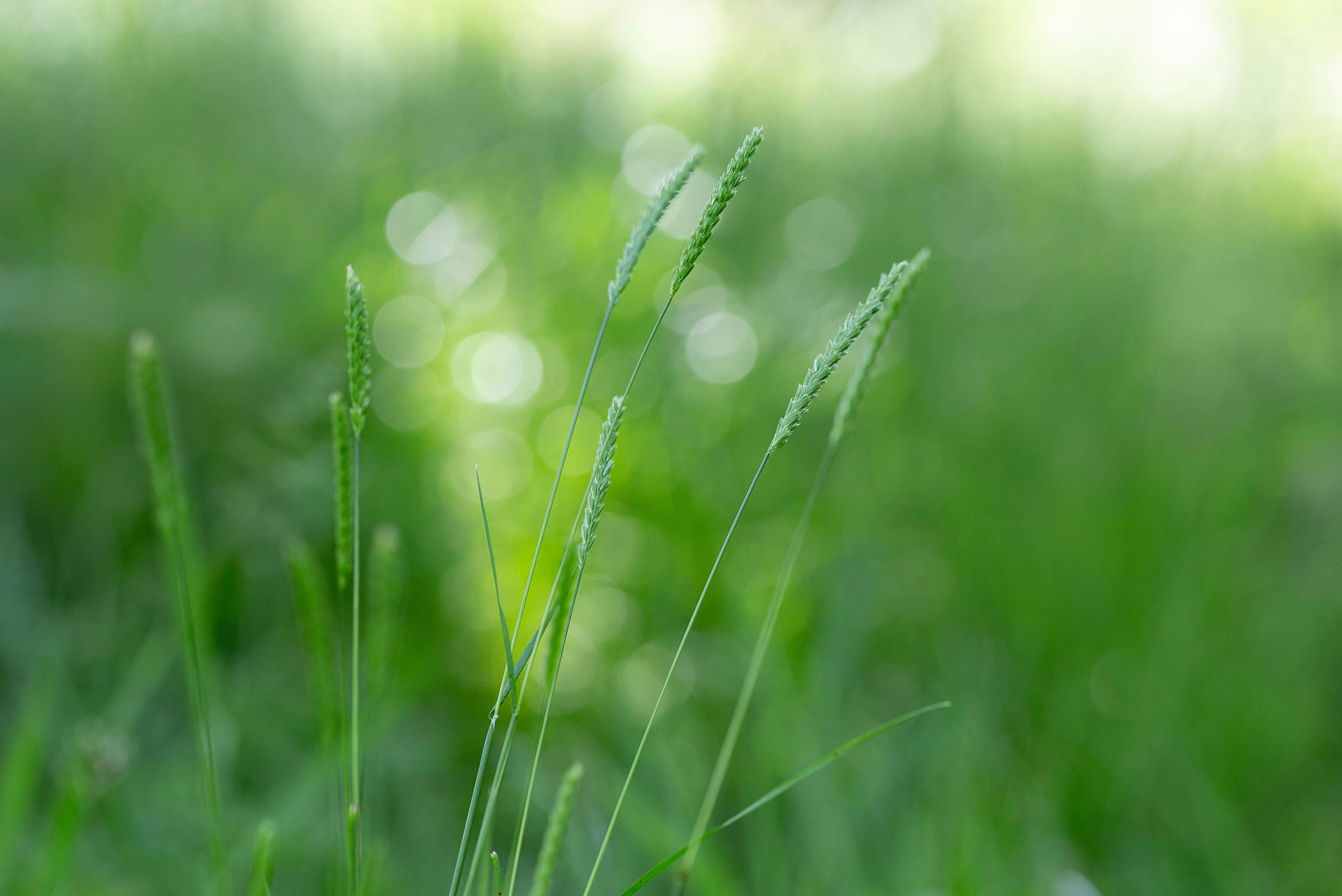
- Equine benefits: Palatable, moderate‑energy grass suitable for horses and ponies; contributes to balanced fibre intake and is well tolerated in mixed grazing systems (Natural England, 1996).
- Agroecological role: Long‑lived tufted grass that stabilises soil, improves sward resilience, and persists under low‑input management (Emorsgate Seeds, 2025).
- Ecosystem value: Provides structural diversity in meadows and supports nectar adjacency for pollinators (Cotswold Seeds, 2025).
- Key notes: Seed heads resemble a dog’s tail, making identification straightforward. It is a characteristic species of traditional hay meadows and pastures, often used as an indicator of unimproved grassland.
- Toxicity: Considered non-toxic to horses
Red Fescue (Festuca rubra) – 27.0%
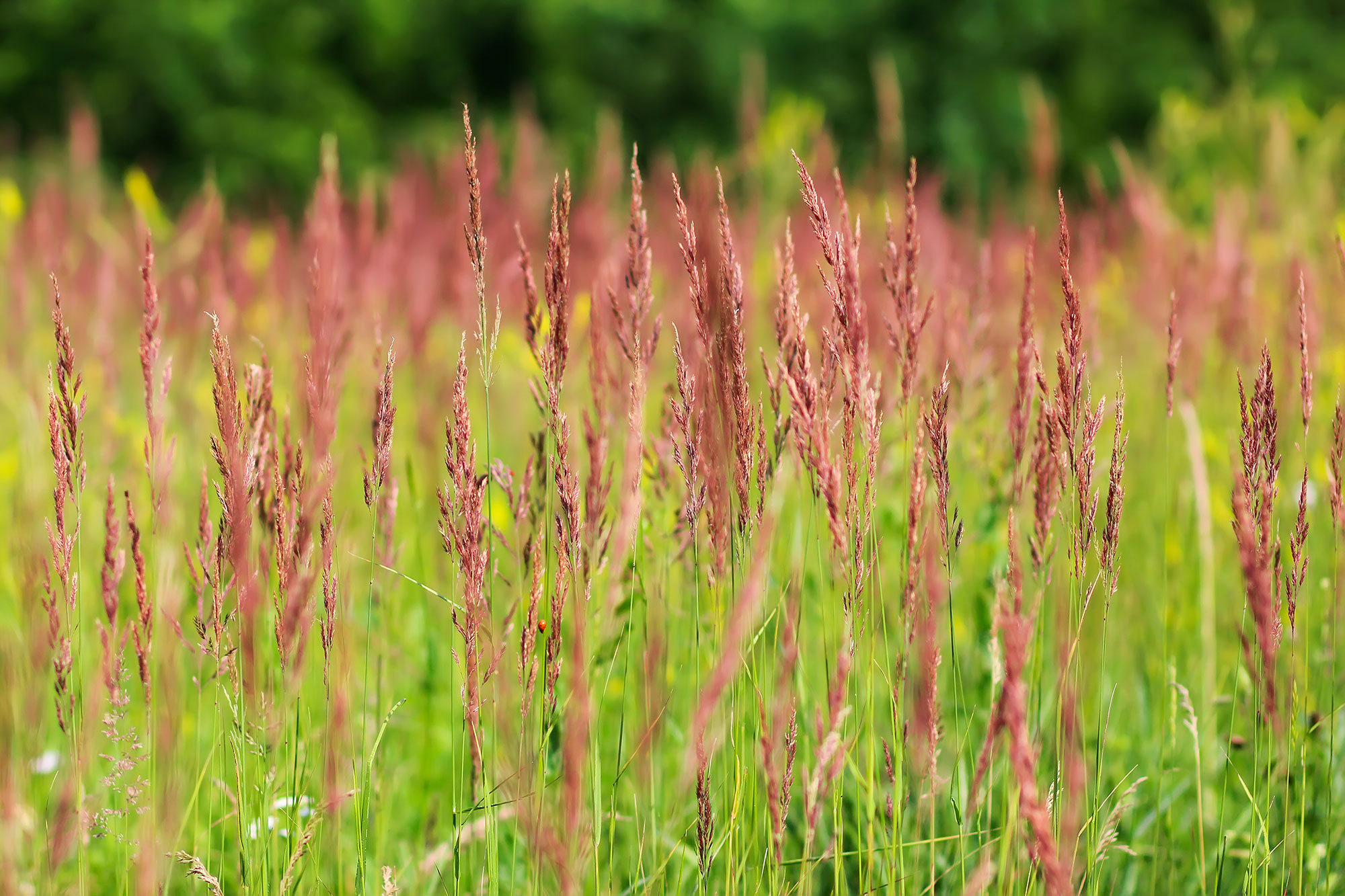
- Equine benefits: High fibre, lower sugar than ryegrass; safer for laminitic horses and those requiring low‑NSC diets (Horse & Hound, 2025; Dengie, 2025).
- Agroecological role: Dense root mat improves erosion control and drought tolerance, making it valuable in horse pastures prone to poaching (Integrity Soils, 2024).
- Ecosystem value: Supports moths, beetles, and other invertebrates common to unimproved grassland (Plantlife, 2025).
- Key notes: Can be vigorous in cooler, moist soils, but usually balances with forbs in diverse swards. Easily confused with sheep’s fescue (Festuca ovina), which has finer leaves.
- Toxicity: Considered non-toxic to horses
Smaller Cat’s‑tail (Phleum bertolonii) – 4.5%
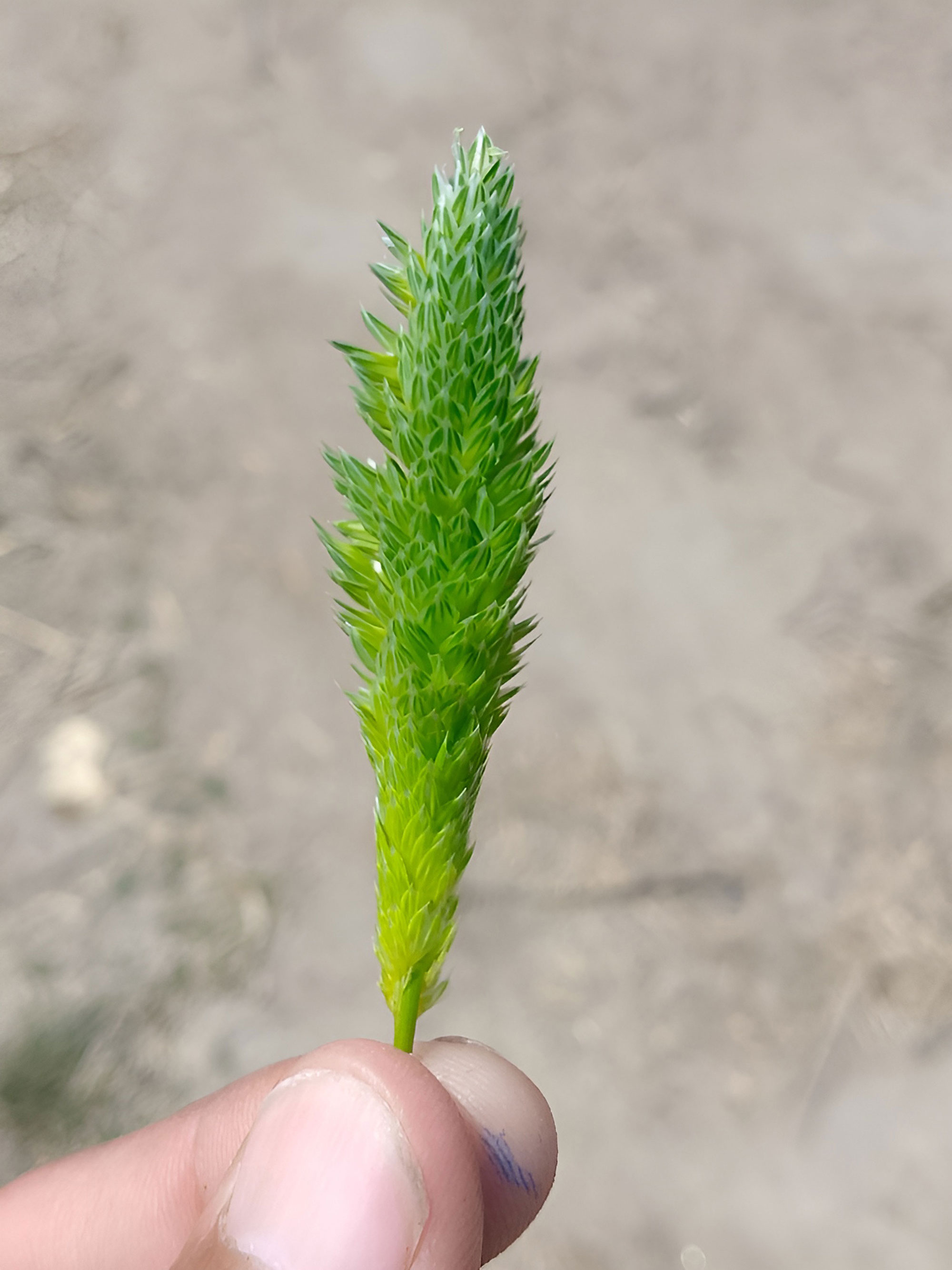
- Equine benefits: Compact, palatable timothy relative without aggressive dominance; suitable in mixed horse meadows (Cotswold Seeds, 2025).
- Agroecological role: Contributes seed head diversity and sward structure, supporting meadow resilience (Emorsgate Seeds, 2025).
- Ecosystem value: Seeds support granivorous birds and add habitat complexity (South Downs NP, 2025).
- Key notes: Less aggressive than timothy (Phleum pratense), making it better suited for balanced horse pastures. Easily confused with timothy, but smaller cat’s‑tail is shorter and less dominant.
- Toxicity: Considered non‑toxic to horses.
Smooth‑stalked Meadow‑grass (Poa pratensis) – 18.0%
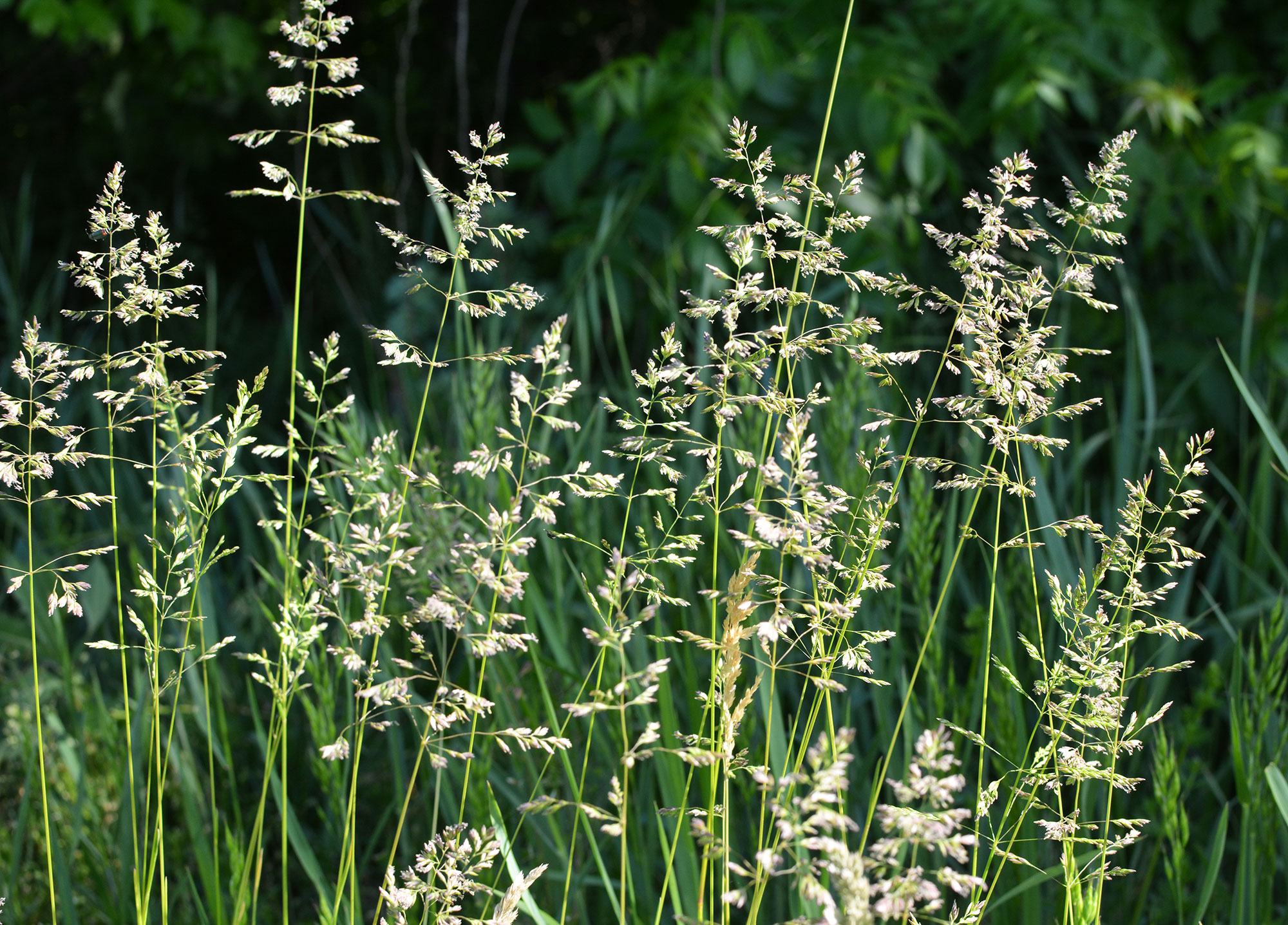
- Equine benefits: Digestible when balanced with forbs; provides steady cover and hoof‑friendly footing in horse paddocks (Norfolk Wildlife Trust, 2024; Rutgers Extension, 2025).
- Agroecological role: Rhizomatous binder that stabilises soil and repairs poaching zones, making it valuable in equine systems (Integrity Soils, 2024).
- Ecosystem value: Early growth supports invertebrates and provides sward continuity (BHS, 2025).
- Key notes: Can spread via rhizomes and become locally abundant, especially in fertile soils, but balances over time in diverse meadows. Easily confused with rough meadow‑grass (Poa trivialis), which has laxer growth and thrives in damp soils.
- Toxicity: Considered Non‑toxic to horses.
Conclusion
When establishing species‑rich meadows, some plants — particularly vigorous grasses or pioneer wildflowers such as buttercup, yellow rattle, or oxeye daisy — may appear dominant in the first year. These early colonisers stabilise bare soil, protect against erosion, and create the right conditions for slower‑germinating species to establish. As the sward matures, the balance naturally shifts and diversity increases. Patience is key: avoid the temptation to intervene or oversow too quickly, and allow the mix to self‑regulate for long‑term resilience.
This seed mix is provided for biodiversity and educational purposes. It is not intended as a veterinary treatment or feed supplement. While species included are generally safe for equine grazing, animals should be monitored and veterinary advice sought if health concerns arise. Pasture management decisions remain the responsibility of the landowner, and species establishment will vary depending on local soils, climate, and grazing management. The mix is not intended to substitute for regulatory seed specifications in agri‑environment schemes.
There are no identified risks for NOPS (Naturally Occurring Prohibited Substances) or clean sport associated with the species in the EM1 mix. However, the mix has not been formally tested under NOPS protocols, so caution and good practice should always apply. None of the included species are known to contain NOPS based on current published data.
The wider benefit of sowing diverse, species‑rich swards is that they broaden the nutrient and fibre profile available to horses, supporting gut health, microbial balance, and resilience. Diversity reduces reliance on high‑sugar grasses and concentrates, helping to create pastures that are healthier for horses and more sustainable for the land.
By choosing diversity, you are investing in healthier horses, healthier soils, and a more resilient future for equine landscapes.
References
- ASPCA (2025) Toxic and non-toxic plants list. American Society for the Prevention of Cruelty to Animals. Available at: https://www.aspca.org (Accessed: 24 November 2025).
- Bone, K. and Mills, S. (2013) Principles and practice of phytotherapy: modern herbal medicine. 2nd edn. Edinburgh: Churchill Livingstone.
- British Horse Society (BHS) (2025) Pasture management for laminitic horses. Warwickshire: British Horse Society. Available at: https://www.bhs.org.uk (Accessed: 24 November 2025).
- BSBI Plant Atlas (2020) Plant Atlas 2020: mapping changes in the distribution of the British and Irish flora. Durham: Botanical Society of Britain & Ireland.
- Caring for God’s Acre (2024) Yellow Rattle (Rhinanthus minor): a key player in restoring wildflower meadows. Shropshire: Caring for God’s Acre Conservation Charity. Available at: https://www.caringforgodsacre.org.uk/yellow-rattle-rhinanthus-minor-a-key-player-in-restoring-wildflower-meadows/ (Accessed: 24 November 2025).
- CIEEM (2019) Guidelines for ecological impact assessment in the UK and Ireland. Winchester: Chartered Institute of Ecology and Environmental Management.
- Cotswold Seeds (2025) Meadow grass and wildflower seed catalogue. Moreton-in-Marsh: Cotswold Seeds Ltd.
- DEFRA (2023) Agri-environment schemes and meadow restoration guidance. London: Department for Environment, Food and Rural Affairs. Available at: https://www.gov.uk/defra (Accessed: 24 November 2025).
- Dengie (2025) Feeding laminitic horses: fibre and forage options. Essex: Dengie Horse Feeds. Available at: https://www.dengie.com (Accessed: 24 November 2025).
- Elgersma, A., Søegaard, K. and Jensen, S.K. (2012) ‘Fatty acids, α-tocopherol and carotenoids in forage legumes, grasses and mixtures as affected by species, variety and cutting’, Grass and Forage Science, 67(4), pp. 1–13.
- Emorsgate Seeds (2025) EM1 General Meadow Mix species list. King’s Lynn: Emorsgate Seeds Ltd. Available at: https://wildseed.co.uk (Accessed: 24 November 2025).
- Emorsgate Seeds (2025) Wild seed mixtures: authentic, diverse, balanced plant communities. King’s Lynn: Emorsgate Seeds Ltd. Available at: https://wildseed.co.uk/mixtures/ (Accessed: 24 November 2025).
- EquiBiome Ltd. (2025) Equine microbiome research updates: hindgut microbial analysis for equine health and diet management. Bangor: EquiBiome Ltd. Available at: https://www.equibiome.org (Accessed: 24 November 2025).
- Ermers, C., van den Hoek, J., van Doorn, D. and van der Kolk, J. (2023) ‘Effects of diverse forage on antioxidant status and hindgut microbiota in horses’, Journal of Equine Veterinary Science, 124, 104–112.
- Derbyshire Wildlife Trust (2022) Wildflower toolkit: restoring meadows and wild patches. Derbyshire: Derbyshire Wildlife Trust. Available at: https://www.derbyshirewildlifetrust.org.uk/sites/default/files/2022-06/Wildflowers%20toolkit%20FINAL.pdf (Accessed: 24 November 2025).
- Groves, M.N. and Lesueur, T. (2021) Wood Betony (Betonica officinalis) monograph: nervine relaxant and phytochemical diversity. Wintergreen Botanicals. Available at: https://wintergreenbotanicals.com/2021/07/09/woodbetony/ (Accessed: 24 November 2025).
- Gul, S., Ahmad, F., Ahmad, S., et al. (2011) ‘Phytochemical and antioxidant profile of Prunella vulgaris’, International Journal of Pharmacology, 7(4), pp. 431–435.
- Horse & Hound (2025) Pasture management and laminitis risk. London: Horse & Hound Magazine. Available at: https://www.horseandhound.co.uk (Accessed: 24 November 2025).
- Hoste, H., Torres‑Acosta, J.F.J., Sandoval‑Castro, C.A., Mueller‑Harvey, I., Sotiraki, S., Louvandini, H., Thamsborg, S.M. and Terrill, T.H. (2012) ‘Plant tannins in livestock nutrition and health: beneficial effects and risks’, Animal Feed Science and Technology, 169(3–4), pp. 234–247.
- Integrity Soils (2024) Soil health and resilience in pasture systems. Palmerston North: Integrity Soils Consultancy.
- Mad Barn (2024) Buttercup toxicity in horses. Ontario: Mad Barn Equine Nutrition. Available at: https://madbarn.com (Accessed: 24 November 2025).
- Meadowmania (2024) The use of Yellow Rattle for species diversity in BNG projects and professional landscapes. Meadowmania UK. Available at: https://meadowmania.co.uk/blogs/news/the-use-of-yellow-rattle-for-species-diversity-in-bng-projects-and-professional-landscapes (Accessed: 24 November 2025).
- Natural England (1996) Traditional hay meadows: management guidelines. Peterborough: Natural England.
- Natural England (2010) Yellow Rattle and meadow restoration guidance. Peterborough: Natural England.
- Norfolk Wildlife Trust (2024) Pasture grasses and meadow ecology. Norwich: Norfolk Wildlife Trust.
- Pasture for Life Association (2025) Pasture diversity and equine health. Hertfordshire: Pasture for Life Association. Available at: https://www.pastureforlife.org (Accessed: 24 November 2025).
- Pavlović, D., Nikolić, B., Mitić, B., et al. (2010) ‘Phytochemical composition and pharmacological properties of Plantago lanceolata L.’, Journal of Medicinal Plants Research, 4(10), pp. 933–938.
- Pinotti, L., Manoni, M., Fumagalli, F., et al. (2021) ‘Mineral composition of forage species and implications for equine diets’, Animal Feed Science and Technology, 274, 114–122.
- Plantlife (2025) Wildflowers and meadow plants: pollinator value rankings. Salisbury: Plantlife UK. Available at: https://www.plantlife.org.uk (Accessed: 24 November 2025).
- Press Release Bit (2023) Emorsgate Seeds: cultivating the future of British wildflowers. Press Release Bit, 14 November. Available at: https://pressreleasebit.co.uk/emorsgate-seeds-cultivating-the-future-of-british-wildflowers/ (Accessed: 24 November 2025).
- Rutgers Extension (2025) Pasture grasses for equine systems. New Brunswick: Rutgers University Cooperative Extension. Available at: https://njaes.rutgers.edu (Accessed: 24 November 2025).
- Soil Association (2025) Meadow restoration and soil health guidance. Bristol: Soil Association. Available at: https://www.soilassociation.org (Accessed: 24 November 2025).
- South Downs National Park Authority (2025) Grassland birds and seed resources. Midhurst: South Downs National Park Authority.
- Wildlife Trusts (2025) Wildflower meadows and pollinator support. Newark: The Wildlife Trusts. Available at: https://www.wildlifetrusts.org (Accessed: 24 November 2025).